
On February 4, the Chemical Safety and Hazard Investigation Board (CSB) released a new safety video on its investigation into the fatal combustible dust explosions and fires at the Didion Milling facility in Cambria, Wisconsin, on May 31, 2017.
Five of the 19 employees working on the night of the incident were killed. The other 14 were injured.
The CSB’s safety video, “Deadly Dust: Explosions at Didion Milling,” includes an animation of the events leading up to the incident, along with commentary from CSB Board Member Sylvia Johnson and investigators Melinda Hartz and Cruz Redman.
Didion is an agricultural processing company with several facilities in Wisconsin. At Didion’s dry corn mill in Cambria, corn kernels were ground into smaller components for use in a variety of corn-based products. The process of grinding corn kernels produces corn-based products and dust as a byproduct, both of which can be combustible, the CSB’s investigation found.
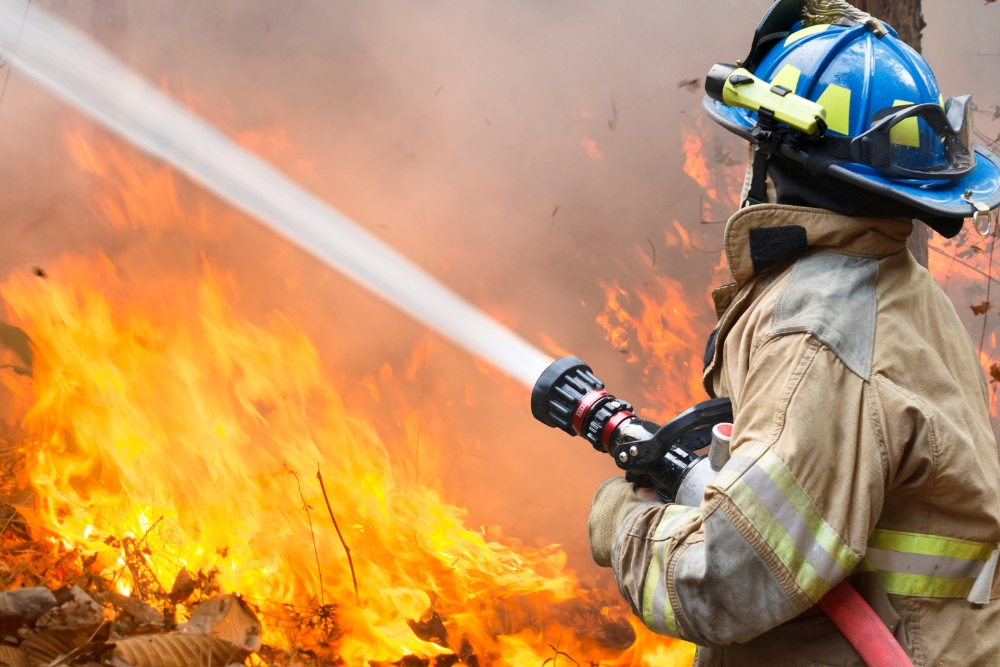
Shortly after 10:30 p.m., multiple employees noticed an unusual smell or saw smoke. The CSB determined that the smoke was likely coming from a “smoldering nest” of dust located inside the corn grinding process. The smoldering nest ignited, triggering a combustible dust explosion in the milling equipment and spreading fire to other areas of the facility. Secondary explosions also spread throughout the mill buildings, destroying the facility.
The video covers five of the 13 key safety issues identified in the CSB’s December 2023 report that contributed to the incident: process hazard recognition, dust hazard analyses, fugitive dust management, process safety leadership, and regulatory coverage of combustible dust.
The report and video note that since 2006, the CSB has called on the Occupational Safety and Health Administration (OSHA) to develop an overarching standard for combustible dust in general industry. However, OSHA has yet to issue one.
Didion agreed in 2023 to pay $1.8 million in OSHA penalties related to the 2017 dust explosions and fires and agreed to make extensive safety improvements, including the following:
- Develop a corporate-wide safety and health management system within six months with input from management and workers, and create a safety committee.
- Meet with OSHA at least once a year to discuss safety and health issues.
- Work with third-party experts to ensure the mechanical integrity of key pieces of equipment.
- Conduct hazard analyses on grain dust and the need for flame-resistant personal protective garments.
- Provide time, equipment, staff, and training for combustible dust housekeeping, and perform mechanical integrity inspections, tests, and preventive maintenance.
- Develop a management-of-change program and procedure overseen by a qualified person knowledgeable about the fire and deflagration hazards associated with agricultural or food dust.
- Review changes to grain-processing equipment, including mills, dryers, dust collector filters, and bucket elevators, for safety compliance.
- Create an incident reporting and investigation system to identify incidents that include severe near misses, severe injuries, combustible dust fire, deflagration and explosion events, and material releases.
- Conduct emergency planning and response training with the local fire department annually, if practical.
- Train employees on the updated safety and health management system within 30 days of implementation.
- Conduct training in languages understood by employees.
In its 2023 report, the CSB recommended that Didion hire a competent third party to develop a comprehensive combustible dust process safety management system that includes dust hazard analyses, incident investigations, and management-of-change procedures. The CSB is an independent federal government board that investigates industrial chemical incidents. It doesn’t issue citations for regulatory violations or impose any fines but rather makes safety recommendations to companies, industry groups, labor unions, and regulatory agencies, including OSHA and the Environmental Protection Agency (EPA).