
Public restrooms are among the most frequently used—and closely judged—spaces in any facility. Whether in office buildings, healthcare environments, airports, schools, or retail destinations, restroom conditions influence how visitors perceive the entire property.
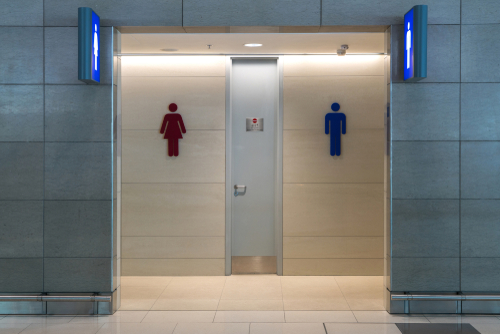
Findings from the annual 2026 Healthy Handwashing Survey from Bradley Company highlight just how strongly restroom conditions shape user confidence and business perception. The nationwide survey found that 86% of U.S. adults expect the quality of a business’s restrooms to reflect the quality of its goods and services, underscoring the important role restroom maintenance plays in facility reputation.
For facilities managers and operations teams, the message is clear: Restroom conditions are no longer just a housekeeping issue—they are a visible reflection of how well a facility is managed.
Restroom Conditions Shape Visitor Perception
The survey reveals a strong link between restroom conditions and customer impressions. Eighty-four percent of Americans say they have a more negative impression of a business with a dirty restroom, while 71% report they are more likely to return to a facility that provides a clean, well-maintained restroom.
Poor restroom conditions can also affect whether people choose to do business with a facility at all. The survey found 73% say experiencing poor restroom conditions makes them think twice before returning, and 40% say they check a restroom before deciding whether to conduct business at a location.
For facilities managers, these findings reinforce that restrooms play an important role in overall building performance and brand perception. Clean, well-maintained restrooms signal attention to detail and operational excellence—qualities that visitors often associate with the organization itself.
Confidence Drives Restroom Use—and Hand Hygiene
User confidence is another critical factor influencing restroom behavior. When people feel uncertain about cleanliness or sanitation, they often change their habits in ways that may affect both facility usage and hygiene outcomes.
The survey found that 65% of Americans avoid touching restroom surfaces by using a paper towel or clothing, while 60% report limiting eating or drinking away from home to avoid using public restrooms altogether.
When restrooms appear clean, well-stocked, and easy to use, visitors are more comfortable using them as intended—supporting both user satisfaction and proper hand hygiene.
Touchless Fixtures Strengthen User Confidence
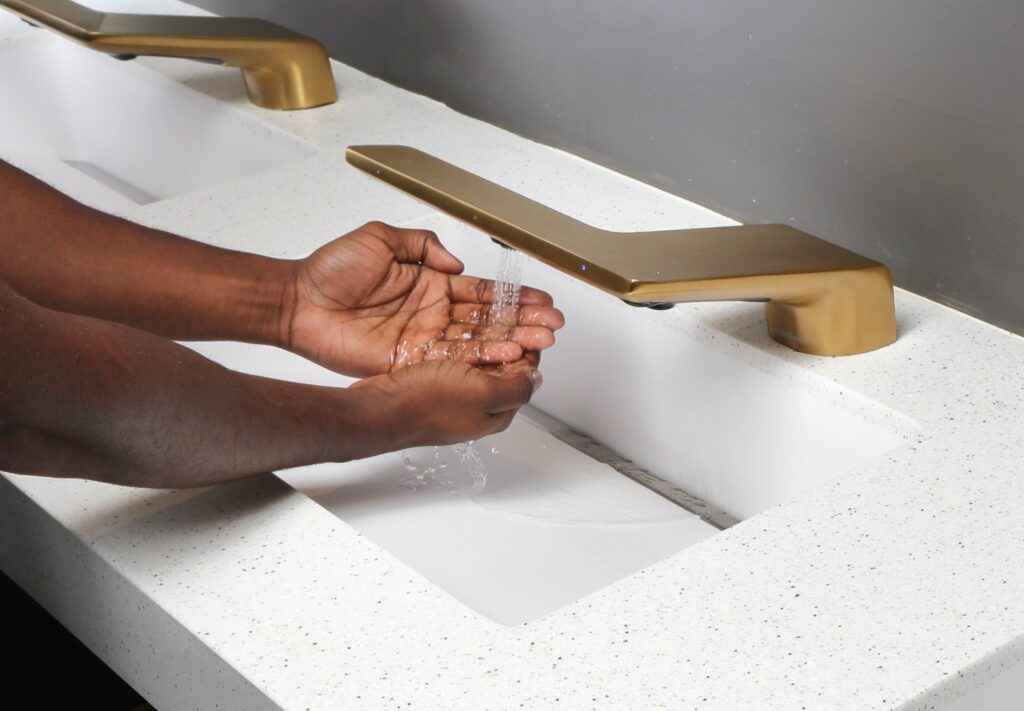
One of the most effective ways to improve restroom confidence is through touchless technology. By minimizing shared surface contact, touch-free fixtures help reduce user hesitation and simplify the handwashing process.
The survey found that nearly 80% of Americans say touchless fixtures are important in public restrooms, and a similar percentage say they improve the overall restroom experience. Just as important, approximately 80% express confidence in the reliability and performance of touchless restroom fixtures, reflecting growing trust in these solutions.
Touchless faucets, soap dispensers, flush valves, and hand dryers create a more seamless restroom experience while reducing concerns about shared contact points. For facility teams, these systems can also improve maintenance efficiency and operational consistency.
Operational Strategies for Reliable Restrooms
Providing restrooms that inspire confidence requires more than occasional cleaning. Successful restroom programs combine thoughtful design, durable fixtures, and consistent maintenance practices.
Facilities managers can take several steps to improve restroom performance and visitor confidence.
Prioritize Visible Cleanliness
Cleanliness is the most important factor influencing restroom perception. Fixtures, countertops, and floors should be cleaned frequently throughout the day, particularly in high-traffic environments. Just as important, restrooms should look and smell clean—dry floors, polished fixtures, and odor-free spaces contribute to a positive impression.
Maintain Reliable Supply Levels
Visitors quickly notice empty soap dispensers or missing paper products. Proactive monitoring and restocking procedures help ensure supplies remain available at all times. Multi-feed soap systems and high-capacity dispensers can reduce maintenance demands while keeping restrooms fully stocked.
Minimize Touch Points
Reducing contact with shared surfaces helps improve both hygiene and user confidence. Touchless faucets, soap dispensers, flush valves, and hand drying mechanisms simplify handwashing and eliminate many of the surfaces visitors prefer to avoid.
Design for Easy Maintenance
Restroom materials and fixtures should support maintenance efficiency and hygiene. Nonporous, seamless surfaces that resist stains and wear help reduce cleaning time while maintaining a consistently fresh appearance.
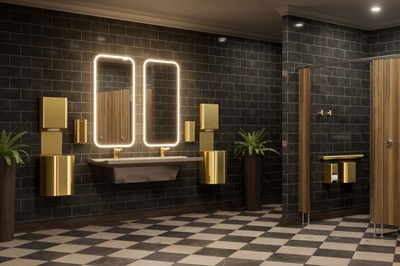
Fixtures with refill indicators alert staff when supplies are low, allowing them to prioritize tasks and reduce unnecessary checks. Easy-to-service dispensers and coordinated handwashing systems can also streamline maintenance and reduce labor time.
Support Privacy and Comfort
Privacy and space contribute to the overall restroom experience. Well-designed partitions with no gaps around the doors, adequate personal space, and thoughtful layouts create environments that feel comfortable and well organized. Occupancy indicators on partitions also enhance traffic flow.
Restrooms as a Reflection of Facilities Management
Ultimately, restroom conditions communicate something important about how a facility is managed. Clean, well-stocked restrooms signal operational competence and attention to detail, while poorly maintained facilities can quickly undermine confidence in the entire environment.
For facilities managers, investing in restroom cleanliness, reliable fixtures, and touchless technology strengthens visitor confidence while supporting operational efficiency. As the Healthy Handwashing Survey shows, these investments also contribute to broader business outcomes—from visitor satisfaction to repeat patronage.
In today’s experience-driven environments, restrooms are one of the most visible indicators of facility quality. Maintaining them well is not just good hygiene—it is good facilities management.
Kris Alderson, MBA, LEED AP, is the senior marketing manager for Bradley Company, the 100-year-old global manufacturer of commercial plumbing fixtures, washroom accessories, restroom partitions, emergency safety fixtures, and electric tankless water heaters, now a division of Watts Water Technologies.