
Carpet covers a lot of ground in commercial facilities, but it doesn’t always get the same level of attention as hard surfaces. While floors can be quickly mopped and look fine, carpets need more specialized care—especially in high-traffic areas where dirt and wear build up fast. Too often, maintenance becomes reactive, with issues addressed only once they’re visible instead of prevented in the first place.
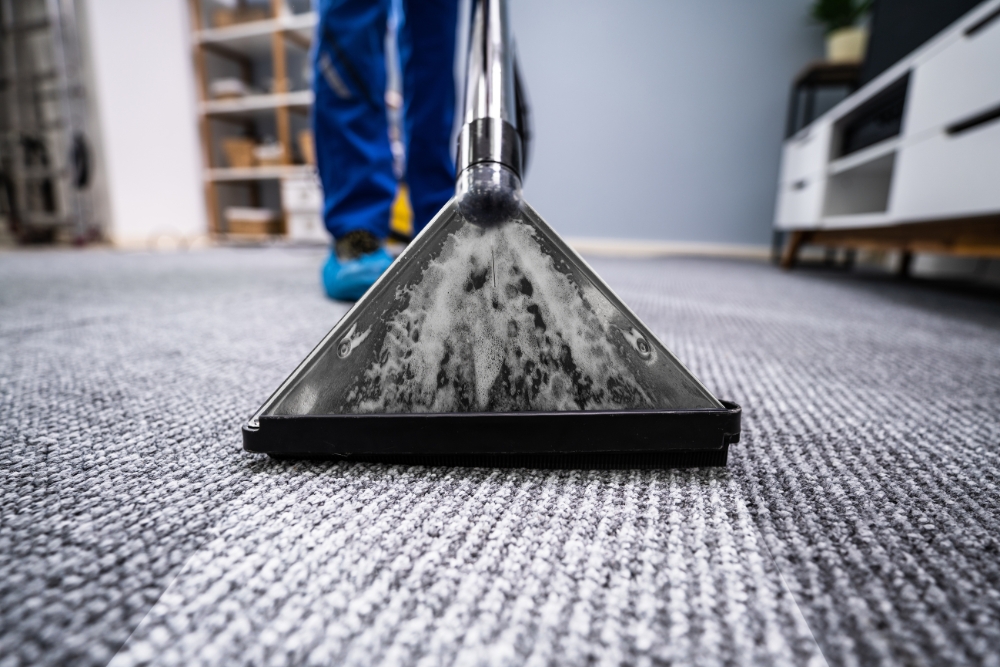
That can lead to shorter carpet life, higher costs, and even disruptions for occupants when cleaning isn’t planned carefully. In this Q&A, Ed Quinlan, president of carpet cleaner Chem-Dry, shares where facilities often fall short and how small, practical changes can make a big difference.
Why do you think carpets often fall outside of structured maintenance strategies compared to hard surfaces in commercial facilities?
In most cases, hard surfaces can be mopped by maintenance companies and look decent, so professional deep cleaning is needed less often. In contrast, carpets need specialized equipment for high-traffic areas and stain removal.
What are the operational impacts of relying on reactive vs. preventive carpet maintenance approaches, especially in high-traffic areas?
Mainly the life of the carpet, because a carpet that is maintained on a regular basis will last longer and have less wear and tear in the high-traffic areas.
How can cleaning methods and timing either reduce or create disruption for building occupants and day-to-day operations?
Carpet cleaning methods that require high pressure and lots of water will take longer to dry. A facility that runs daily with occupants will regain the high-traffic areas quickly with carpet that could be wet all day, whereas a carpet that is dry in 1-2 hours will be dry by the time the facility opens.

When facilities managers are adjusting or rethinking their maintenance plans, what should they be evaluating specifically when it comes to carpet care?
Facilities managers should know the age of the carpet and the cost of replacement. This knowledge makes it easier to create a carpet maintenance plan with a professional carpet cleaning company that will offer flexible maintenance plans with quick dry times, no dirt-attracting residues, and options for extending the life of the carpet and providing a healthier facility in the process.
Where do carpet maintenance strategies most commonly fall short in commercial settings, and how do those gaps show up over time?
They fall short in cleaning frequency, where a professional carpet cleaning company can make a recommendation based on their foot traffic. Also, in most cases a janitorial company can’t provide the same level of cleaning as a professional carpet cleaning company.
How do those shortcomings impact overall facility appearance and tenant or occupant perception?
The tenants and occupants of a facility that is well maintained, especially in the main areas of the carpet, will have a better feel for cleanliness and health for tenants or employees that work at that location. Well-maintained facilities start with the carpets that are the most visible, typically showing the same high maintenance and care in the areas that don’t show.
What are some of the most common planning or budgeting missteps that lead to premature carpet wear or replacement?
When creating a maintenance plan, it is best to focus more often on the higher-traffic areas that will help keep the lower-traffic areas cleaner longer. For example, most facilities would benefit from a maintenance plan that cleans the high-traffic areas four times per year, medium-traffic areas twice per year, and low-traffic areas on an annual basis.
How do factors like traffic patterns, building use, and occupant behavior get overlooked, and what effect does that have on long-term upkeep?
In many facilities, maintenance is treated as a static line item, a “set it and forget it: schedule. However, when you overlook the dynamic factors of a building, you aren’t just missing spots; you’re accelerating the depreciation of your physical assets.
Are you seeing any emerging trends in how facilities are approaching carpet maintenance, whether in planning, scheduling, or expectations from stakeholders?
I believe that more facilities managers are looking to experienced companies that aid in the planning and maintenance of their carpets and floors. Another trend has been a shift in the types of flooring put into facilities as we see more carpet sales in the commercial spaces. This is due to many factors, such as sound control and ease of maintenance.
For facilities teams that recognize gaps in their current strategy, what are some practical, low-disruption ways to improve performance and extend carpet life?
Improving facility performance doesn’t always require a “remove and replace” mentality or a massive capital pivot. Often, the most significant gains in carpet life come from small, strategic adjustments to existing maintenance plans.