
Walk through almost any facility and you’ll see hard hats, safety glasses, first aid kits, and other personal protective equipment (PPE) in use every day. The gear is there, employees are trained, and everything appears to comply.
But here’s the question many employers never ask: Is compliance enough?
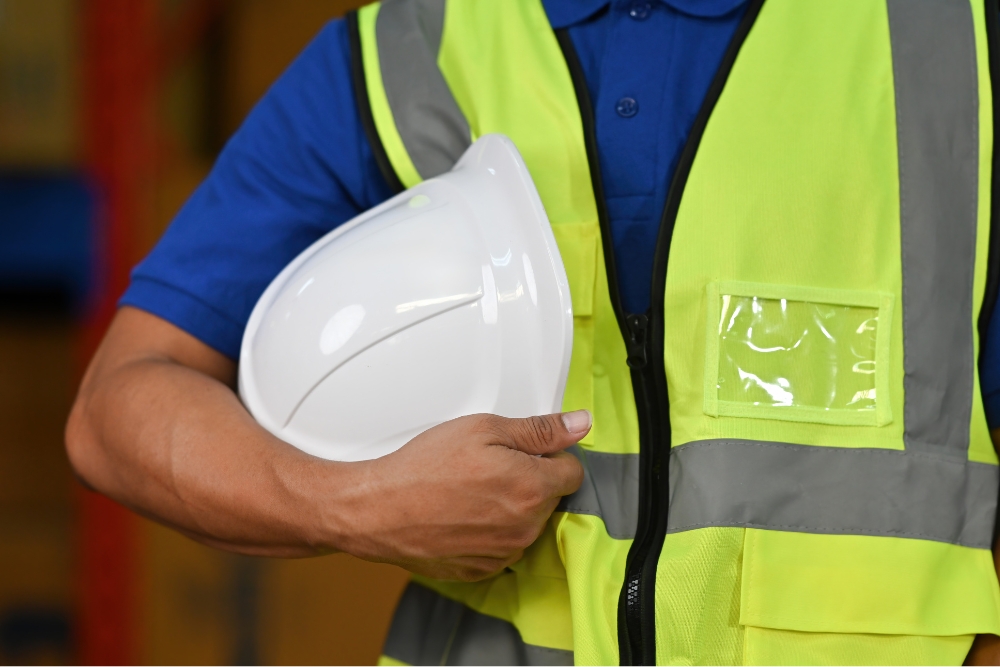
What some facilities managers don’t realize is that there can be two different standards in the conversation. One is the version of a PPE standard referenced in an Occupational Safety and Health Administration (OSHA) regulation. The other is the current version of that same standard, which may have been updated years—or even decades—later. That difference isn’t just technical. It can affect the level of protection workers are actually receiving.
The Standard Behind the Standard
Most facilities managers don’t spend much time thinking about the standards behind their PPE. They just assume that if a hard hat, pair of safety glasses, or first aid kit is OSHA-compliant, it’s doing its job.
But the standards behind that equipment don’t stay the same forever.
Most PPE is tested to safety standards developed by the International Safety Equipment Association (ISEA) and approved through the American National Standards Institute (ANSI). Those ANSI/ISEA standards are regularly updated as testing improves, new workplace hazards emerge, and manufacturers develop more innovative products.
In many cases, updates reflect lessons learned from real-world incidents, advances in materials and design, and new research on worker protection. When a standard is updated, manufacturers can begin producing and labeling products to the new version right away.
The problem is that OSHA doesn’t always update its references at the same pace. In some cases, federal regulations still point to ANSI/ISEA standards that are years—or even decades—older than the most recent versions.
That doesn’t mean OSHA compliance isn’t important. It is. But it does mean facilities managers should understand that “compliant” and “current” aren’t always the same thing.
Why It Matters
It’s easy to assume that a standard is a standard.
But when different versions of the same standard are in play, things get more complicated than they should be.
Take a company with multiple facilities. One location may be purchasing PPE that meets the latest ANSI/ISEA standard, while another is buying equipment based only on what OSHA specifically references. Both may believe they’re meeting the same requirements, but they could be working from very different benchmarks.
The same challenge can come up when outside contractors are brought in. A contractor may arrive with equipment that meets the latest version of a standard, while a facility’s internal requirements are based on an older reference—or vice versa. That can create confusion that slows down work and raises questions that nobody expected to deal with.
There’s also the question of equipment selection. PPE manufacturers continue to improve products through better materials, updated testing methods, and new design features. When attention stays focused on older standards, organizations may miss opportunities to take advantage of those improvements.
And when inspections, audits, or safety reviews occur, differing interpretations of which standard applies can create unnecessary headaches. Most facilities managers would rather spend their time improving safety than debating which edition of a standard someone is referencing.
That’s why standard versions matter. They affect purchasing decisions, safety programs, and ultimately the protection workers receive.
Where Facilities Managers Are Most Likely to See It
Here are a few examples where OSHA references older standards while newer ANSI/ISEA versions are already available:
Head Protection
Hard hats are one of the most visible examples. OSHA’s construction and general industry standards still reference ANSI/ISEA Z89.1 editions from 1997 and 2003, even though newer versions are available. ANSI/ISEA Z89.1-2014 (2019) includes important advancements in head protection, including expanded side-impact performance, reverse-donning requirements, higher-temperature performance criteria, and better compatibility with modern PPE accessories. An updated revision is also expected later this year, with additions focused on chin strap requirements, retention effectiveness, and enhanced impact protection. Following the most recent standard can help employers address today’s workplace hazards and ensure workers have access to the latest advancements in head protection.
Eye and Face Protection
OSHA references ANSI/ISEA Z87.1 eye and face protection standards from 1989, 2003, and 2010. The current standard is ANSI/ISEA Z87.1-2025, and one of the more practical changes is improved product marking. Labels now clearly indicate what kind of protection the eyewear actually provides: impact resistance, splash, dust, chemical exposure, and so on. That clarity is useful for facility teams whose work changes throughout the day. A maintenance employee might spend the morning repairing equipment, the afternoon handling cleaning chemicals, and later assist with another task entirely. Clear markings make it easier to choose the right protection for the work being performed.
Workplace First Aid Kits
OSHA guidance on first aid kits still points to ANSI Z308.1-1998, but the standard has evolved to address modern workplace injuries, trauma response, and hazard assessments. The current ANSI/ISEA Z308.1-2021 standard includes expanded guidance for trauma care, sanitation, and Class A and Class B kit classifications, while another revision expected this year will add guidance for mobile workers and the use of naloxone in the workplace. For facilities with multiple buildings, large teams, or employees working in different locations, having first aid resources that reflect today’s workplace risks can make a meaningful difference when an emergency occurs.
What’s Being Done About It
Many people in the safety community recognize that there’s a gap between current ANSI/ISEA standards and the older versions still referenced in some regulations.
That’s why several national safety organizations have asked OSHA to update those references. The request is pretty simple: update the references so they reflect the standards being used today.
For facilities managers, that could remove some of the guesswork. When everyone is working from the same standard, it’s easier to make purchasing decisions, evaluate equipment, and maintain consistent expectations across facilities.
In the meantime, it’s worth understanding where those gaps exist so you can make informed decisions about the equipment your employees use every day.
What Facilities Managers Can Do Now
OSHA may eventually update its references, but there’s no reason to wait. Here are a few practical steps facilities managers can take today:
- Check which standards your PPE actually meets. Look at product markings or ask your manufacturer or distributor which ANSI/ISEA standard and edition the equipment conforms to. You may be surprised by what you find.
- Review your PPE specifications. If requirements simply say “ANSI compliant,” ask suppliers to identify the specific ANSI/ISEA standard and edition their products meet. That can help avoid confusion when comparing products or working across multiple facilities.
- Ask a few extra questions when purchasing equipment. Find out whether products meet the latest version of a standard or an older version. Understanding the difference can help you make more informed decisions.
- Help employees understand PPE markings. Those markings can tell workers what level of protection a product provides and whether it’s appropriate for a specific task. A little education can go a long way.
- Look beyond minimum compliance. Compliance matters, but it shouldn’t be the only consideration. Understanding the standards behind your PPE can help ensure workers have access to equipment that reflects today’s workplace hazards.
Closing the Gap
Most facilities managers have enough to worry about without keeping up with every change to a safety standard.
But this issue is worth paying attention to.
The reality is that workplace hazards don’t wait for regulations to catch up. PPE manufacturers continue to improve equipment, standards continue to evolve, and workers depend on that equipment every day.
Understanding which standards your PPE meets can help you ask better questions, make smarter purchasing decisions, and ensure your employees have the protection they need.
At the end of the day, that’s what matters most.

Cam Mackey is president and CEO of the International Safety Equipment Association (ISEA), the trade association for manufacturers of personal protective equipment and safety products.