
The engineered systems and infrastructure that regulate the environment inside a building are essential for the successful operation of a large facility. As technology, connection, compliance and customer expectations evolve, keeping those systems up to date becomes an urgent responsibility for today’s professional facility operators.
Upgrading a facility’s mechanical systems to meet the highest standards of performance, however, is a major undertaking. Whether it’s a retrofit or a full replacement, a mechanical system upgrade is an enormously complex procedure. Failure to properly account for all the contingencies of such a project could result in delays and disruptions that compound the time and costs involved.
All too often, the potential challenges of a mechanical upgrade only emerge after the project is underway. It’s not possible to fully eliminate the risk of delays and disruption. But planning ahead and preparing for the most common factors that contribute to stalled mechanical upgrades can minimize their impact and increase the odds that your project maintains momentum until the very end.
Many of the most common roadblocks for facility operators taking on a mechanical system upgrade can be predicted in advance. They include:
- Unexpected structural or system conditions: Once a project starts, contractors may uncover surprising conditions behind the walls of a building. Out-of-date equipment, design discrepancies, or structural vulnerabilities could add significant time to a project.
- Supply chain interruptions: Unpredictable global trade conditions mean materials and equipment may not be available when they’re needed, or costs may rise steeply with little notice.
- Labor shortages: Commercial contractors are facing an ongoing labor deficit that leaves them with limited staffing flexibility. Even if they have adequate manpower for a particular project, any unplanned delays or disruptions could greatly impact their capacity to keep that project on schedule.
- Creeping project scope: Without clear expectations and commitments, projects can gain in scope or complexity, adding to the timeline and costs and increasing the risk of interrupted operations.
These common roadblocks to mechanical system upgrades are often the result of poor communication, unrealistic expectations, and a lack of planning. What that reveals is the critical importance of expertise to such projects.
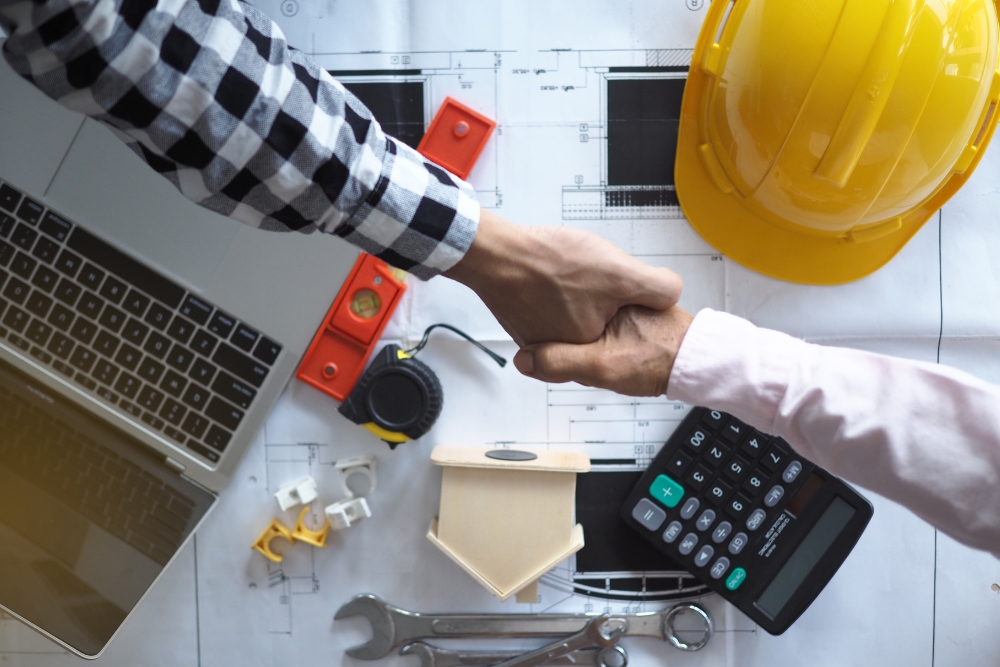
Given the stakes, facility professionals should carefully consider their partnerships for any mechanical projects. Instead of simply selecting the least expensive bid, it’s important to evaluate all the elements that make a mechanical contractor a strategic long-term partner, such as:
- Capacity: Even as project scopes expand to keep pace with evolving markets and regulatory landscapes, contractors in many areas are finding they have less and less capacity for major projects. Workload, employee experience, and limited capital can mean contractors are stretched thin across multiple jobs and may not be able to deliver as scope changes or equipment availability shift.
- Support infrastructure: The teams who show up on-site for installation are the face of a mechanical organization. But the administrative team and technology infrastructure supporting them are equally important. Contractors with strong support systems in place for their technical teams are better positioned to handle complex projects and respond effectively to evolving conditions.
- Proven track record: Make sure the contractor has relevant experience in facility systems, and don’t be afraid to ask for references or case studies that demonstrate lasting success in the space.
- Financial stability: Companies with strong capital and sound financial underpinnings can be counted on to withstand the volatilities of large-scale mechanical projects and avoid unnecessary delays.
Facility operators no longer have any margin for error with their mechanical systems. Meeting the expectations of today’s marketplace demands an extremely high level of consistency and predictability. It’s critical for operators to ensure their facilities deliver the comfort and safety required by their users.
At the same time, modern mechanical systems are only increasing in sophistication and complexity. When it’s time for a new system, facilities managers can’t be expected to act as de facto project managers. That means they must rely on a trusted mechanical contractor to serve as a true partner through the entire timeline of the project, and beyond, via maintenance, training and other support services.
When it’s time for a new or upgraded facility system, the lowest bid is rarely the best criteria to determine the value of a contractor partnership. Instead, it’s important to look for a collaborative partner whose expertise and experience align with the project and its goals.

Jason Richards serves as CEO and chairman of the board for Foundral, bringing more than 33 years of experience in the infrastructure services sector. His breadth of expertise spans mechanical and electrical systems, building controls, and energy service solutions.