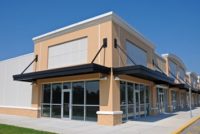
Certain facilities have an “invitee relationship” with the public, and they actively encourage people to use their hotels, bars, restaurants, movie theaters, or nightclubs. Beyond just the hospitality industries, other public facilities include hospitals and medical clinics, stores and malls, churches, libraries, and parks. Facility managers and their security teams need to know how to […]
In a March post, we examined the four categories of employers that OSHA will hold responsible for safety on a multiemployer facility. Today, we will take a more detailed view of the responsibilities of “controlling employers,” who carry a higher compliance burden than other employers at the worksite.
Fatigue often goes underrecognized as a risk factor in many work environments. Workers are at a higher risk of suffering fatigue-related incidents in environments containing key factors such as long working hours, on-call work, seasonal highs, shiftwork, physically and mentally demanding work, boring and monotonous work, safety-sensitive work, and driving operations.
Back pain, whether chronic or acute, is one of the most common (and complained about) ergonomic injuries. While they may not be the source of the issue, there’s a good deal of blame to be placed at the feet of changes in chair design over the years. As a facility manager, you’re quite likely to […]
If you have forklifts at your facility and have an opinion on the rules that govern their safe operation, now is your chance to weigh in with the Occupational Safety and Health Administration (OSHA). OSHA is seeking comment and information about possible deregulatory action involving general industry, construction, and maritime standards for forklifts and other […]
In 2017, there were 10,000 deaths caused by natural disasters worldwide. Many of those occurred while people were in their workplaces. In addition, research shows that the number of recorded natural disasters has increased over the past century. So, it’s still critical, perhaps now more than ever, that our facilities and employees are well-prepared for […]
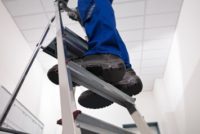
I really thought we would have flying cars by now. Growing up watching cartoons like the Jetson’s or movies like Back to the Future, we were led to believe that everyone would be flying around with jetpacks and hoverboards. Unfortunately, no one has invented anti-gravity boots yet, so we still need tools like ladders to […]
How many employers have a presence in your facility? Do you have two or three contractors renovating a tenant’s office space, another contractor running your on-site cafeteria, some consultants evaluating your production unit, a medical group doing on-site wellness screening, and a crew of temporary employees in the warehouse? All of those workers represent different […]
Saving money and preventing workplace injuries right from the drawing board are the simple principles behind “Prevention Through Design” (PtD). One common example of PtD is lockout/tagout practices for machinery, but the practice has many applications in the facilities management space. Basically, PtD is the control of workplace hazards by addressing them during the design […]
If you operate a facility where workers or tenants could come into contact with dangerous chemicals, hopefully you have eye wash stations installed throughout the building. Equally important is making sure that everyone in the facility knows how to act in case of emergency. When an chemical splashes into your eyes, you need to act […]