
Editor’s note: FM Perspectives are industry op-eds. The views expressed are the authors’ and do not necessarily reflect those of Facilities Management Advisor.
Facilities management is often defined by its technical responsibilities—HVAC systems, electrical distribution, preventive maintenance, capital planning, compliance. But anyone who works in FM knows the job extends far beyond equipment and infrastructure. It’s people management. It’s conflict resolution. It’s absorbing stress so others don’t have to. It’s being the steady presence in a building that never stops moving.
For all the conversations about operational efficiency and asset strategy, one part of the job rarely receives attention: the emotional labor of being the person everyone turns to when something goes wrong. It’s not listed in job descriptions, yet it shapes the daily reality of nearly every FM professional.
In most organizations, FM becomes the unofficial emotional first responder. When something breaks, people don’t just bring a problem—they bring their frustration, their urgency, and sometimes their panic. A malfunctioning door becomes a security concern. A temperature issue becomes a disruption to someone’s workday. A flickering light becomes a symbol of “Why isn’t this place working the way it should?”
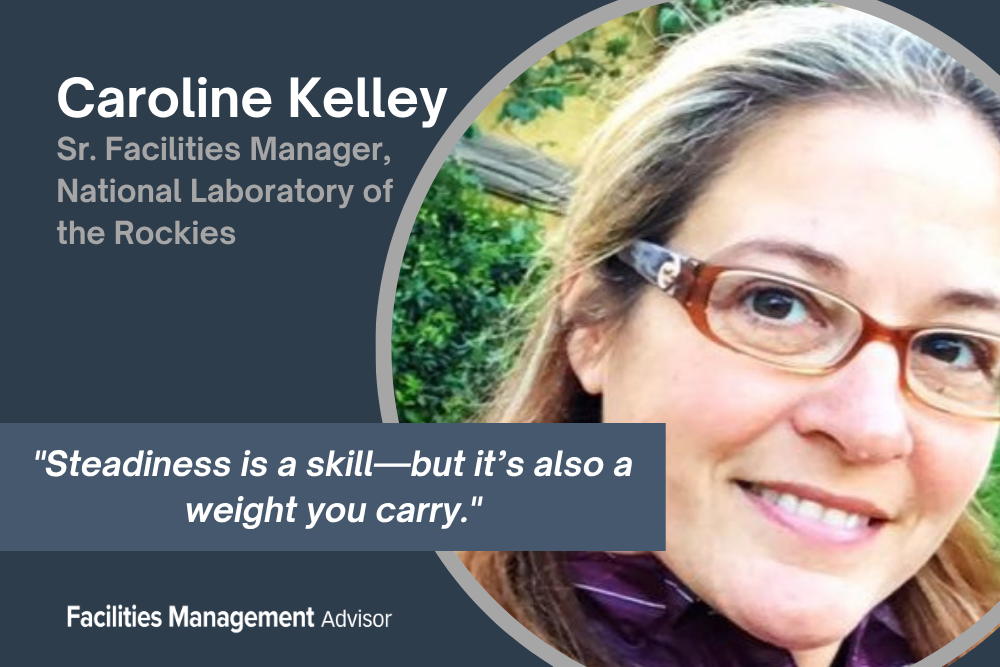
And the person who absorbs that emotional charge is almost always someone in FM. You’re the one who listens, reassures, calms the situation, and then gets to work on the actual fix. You’re the voice of reason when the fire alarm won’t stop beeping, the elevator stalls, or the HVAC quits on the hottest day of the year. That steadiness is a skill—but it’s also a weight you carry.
The role also requires a constant balancing act. FM is one of the few professions where you’re expected to keep everyone comfortable, keep everything running, keep every stakeholder satisfied, keep every system compliant, and keep every emergency under control. And all of this happens simultaneously. The expectations rarely align. Leadership wants cost savings. Occupants want immediate solutions. Vendors want approvals. Regulators want documentation. Your team wants direction and support.
FM sits at the center of these competing demands, translating needs, negotiating priorities, and absorbing the friction that comes with them. It’s emotional labor, and it never really stops.
Another layer of this work is the mental load of being the “go‑to” person. Every FM professional knows the feeling of being the first call when anything goes wrong. Flickering lights, freezing conference rooms, alarms going off in the middle of the night—it all lands at your feet. Being the “go‑to” person is a compliment. It means people trust you. But it also means you carry the mental weight of always being “on.” Even when you’re off the clock, part of your mind stays alert, waiting for the next issue. It’s the mental checklist that never fully shuts down. It’s the pressure of knowing that if you don’t respond quickly, someone else’s work or safety might be affected.
This raises a question that rarely gets asked out loud: How do you set boundaries in a role that never really sleeps?
Managing that pressure requires intention. It means being clear about what is and isn’t urgent, empowering your team instead of being the only problem‑solver, and recognizing that not every issue requires immediate action. It also means giving yourself permission to step away without guilt—something FM professionals often struggle with because the job is built on responsiveness.
Conflict resolution is another quiet but constant part of the emotional load. FM professionals regularly navigate disagreements between departments, frustrated occupants, vendors who miss the mark, budget limitations, misaligned expectations, and last‑minute emergencies. Through all of it, you’re expected to remain patient, diplomatic, and composed. You become the mediator, the translator, the negotiator—and often the person who absorbs the emotional intensity so others don’t have to.
What makes this work even more invisible is that most people in FM genuinely care about the spaces they support. That care is emotional labor, too. You notice the things others overlook. You anticipate problems before they happen. You worry about the details that keep people safe. You take pride in creating an environment where others can do their best work. That investment is part of what makes FM professionals exceptional, but it also means the job follows you home more than you’d like to admit.
This is why the emotional labor of FM deserves more attention. Ignoring it doesn’t make it disappear; it simply pushes it into the background where it contributes to burnout, turnover, and the feeling of being undervalued. Acknowledging it matters because it validates the experience of FM professionals and helps leadership understand the full scope of the role. It also opens the door to healthier boundaries, better support, and a more realistic understanding of what it takes to keep a facility running smoothly.
FM isn’t just about maintaining buildings—it’s about supporting people. And supporting people requires emotional energy, empathy, and resilience. The work is demanding, often invisible, and rarely celebrated, but it is essential to the functioning of every organization.
Yet despite the weight of this emotional labor, there are ways to carry it more sustainably. The first step is simply recognizing that this work exists. When FM professionals acknowledge the emotional demands of the role, it becomes easier to manage them with intention instead of absorbing everything by default.
Healthy boundaries play a major role. Not every issue is urgent, and not every urgent issue requires the same level of response. Communicating clearly about what can be handled immediately and what must wait helps reduce the pressure to be constantly available. It also sets more realistic expectations for the people who rely on FM every day.
Support systems matter, too. Strong relationships with colleagues, leadership, and vendors create a sense of shared responsibility instead of leaving one person to shoulder the emotional weight alone. When people understand the complexity of the work, they’re more likely to collaborate, communicate, and show patience when challenges arise.
There’s also value in stepping back long enough to recharge. FM professionals are often so focused on keeping everything running that they forget to protect their own energy. Taking time to reset—even briefly—helps restore the clarity and calm the job demands. It’s not indulgence; it’s maintenance, just like anything else in the building.
Most importantly, the emotional labor of FM becomes more manageable when it’s recognized as part of the profession rather than an invisible add‑on. When leaders understand the human side of the work, they’re better equipped to support the people who do it. And when FM professionals give themselves credit for the emotional skill they bring to the table, the job feels less like an endless cycle of putting out fires and more like the essential, impactful work it truly is.
Facilities management will always involve pressure, unpredictability, and the occasional 2 a.m. alarm. But it also involves resilience, problem‑solving, and a deep commitment to the people who rely on the space. When the emotional labor is acknowledged and supported, FM professionals can carry the load without being crushed by it—and even find pride in the quiet, steady leadership they provide every day.

Caroline Kelley is a senior facilities manager at the National Laboratory of the Rockies, (formerly the National Renewable Energy Laboratory) and a past “Faces of Facilities” participant. Her LinkedIn account is available here.