
Back to Basics is an article series that highlights important, but possibly overlooked, information facilities management professionals should know.
Have you ever walked into a building and felt immediately safe and organized? From clean hallways to working elevators, much of that confidence comes from compliance frameworks quietly working behind the scenes.
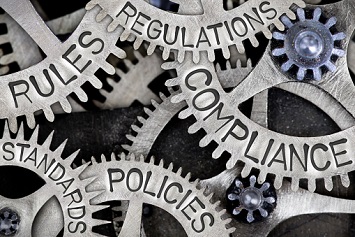
A fire alarm that sounds when needed, a kitchen vent that stays clean during peak hours, and a chemical cabinet that keeps students safe in a lab all rely on structured compliance work. These frameworks turn complex rules into practical steps that protect people and keep operations running smoothly.
Understanding Compliance Frameworks
A compliance framework is a set of structured rules guiding facilities management. It brings together requirements from areas such as:
- Building codes
- Fire safety standards
- Health and workplace guidelines
- Environmental rules
- Accessibility needs
Each requirement is translated into actionable tasks—inspection schedules, safety checks, and emergency procedures. The framework provides staff with a clear reference for daily decisions, performance reviews, and incident responses, making compliance manageable and consistent.
The Operational Imperative
How do well-managed facilities stay safe, reliable, and trusted? Compliance frameworks provide the answer. They shape daily operations, protect resources, and build confidence with staff, visitors, and partners.
Safety and Continuity
Compliance frameworks play a steady role in keeping facilities safe and fully functional. They guide regular inspections, scheduled maintenance, and clear documentation. These routines help reduce risks and support reliable operations.
For example:
- Fire safety rules call for routine alarm tests and yearly sprinkler inspections. These steps help keep systems ready for use.
- Electrical rules include routine wiring checks and load reviews. These tasks reduce the chance of outages and fire hazards.
- HVAC schedules based on air quality standards support healthy indoor environments and longer equipment life.
- Water system guidelines require checks for leaks, pressure, and potential contamination. These checks support a clean and reliable water supply.
- Elevator and lift standards include routine inspections and part replacements. These tasks help ensure safe and consistent movement throughout the building.
These activities create smooth, predictable operations. People inside the building experience comfort and stability, even if they never see the work that makes it possible.
Financial and Legal Stability
Following safety and operational rules helps avoid costly problems. Falling behind can bring fines, claims, or unexpected expenses.
- Improper waste disposal can lead to cleanup bills. A maintenance team puts old chemicals in the wrong bin, and the building must pay for inspection and cleanup.
- Skipping accessibility updates can cause complaints or legal action. A visitor in a wheelchair may have trouble reaching a meeting room, which can require renovations.
- Missing staff safety training records can make emergencies harder to manage. A new employee may not know how to handle a small fire or spill.
Regular audits and updates prevent these issues. They keep facilities aligned with rules, protect resources, and keep everyone in the building safe.
Similar expectations apply across highly regulated fields. For example, private equity firms often rely on dedicated compliance services to manage complex requirements such as KYC, AML, and investor reporting.
Reputation and Stakeholder Trust
Following compliance standards regularly shows that a facility is well managed and professional. This reliability builds confidence with everyone who visits or uses the building.
For example:
- A visitor arrives for a meeting and notices clean hallways, working elevators, and clear emergency exits. These small details make the building feel safe and cared for.
- Tenants see that lights, heating, and ventilation systems work without interruptions. This shows that the building is dependable and maintained consistently.
- A partner touring a lab notices that safety checks are done and equipment is in good condition. These visible signs reassure them that the facility follows proper standards.
Compliance frameworks make this consistency possible. They turn routine inspections and maintenance into reliable practices that protect people and maintain trust.
Implementing Effective Compliance Solutions
A strong compliance program is methodical and ongoing. Robust compliance solutions guide staff in following rules, keeping facilities safe and reliable.
Key steps include:
Assessment
Identify all regulations that apply to your facility, whether local, state, or federal. A hospital, for example, has different rules than an office or a school lab. Knowing exactly what applies ensures no important requirements are missed.
Documentation
Write down policies and procedures from your assessment. Set schedules for inspections, maintenance, and staff training. Keep records organized so staff can check what is done. Logging HVAC checks or fire alarm tests makes it easy to show tasks were completed during audits.
Training
Make sure staff understand their roles. Maintenance, admin, and other teams need to know how to do tasks safely. For example, staff should know how to handle chemicals or respond to a fire alarm. Training turns rules into real actions.
Monitoring
Track tasks using tools or software. Reminders and checklists make it easy to see what is done and what is due. This ensures inspections, vent cleaning, and safety checks are not missed. Monitoring keeps operations smooth and reduces risk.
Review
Check procedures regularly and update them when rules or operations change. If building codes are updated or a new lab opens, adjust procedures accordingly. Regular review makes sure compliance solutions stay effective and prevents problems.
The right compliance solutions make managing rules simpler. They give a clear view of tasks, keep practices consistent across facilities, and turn complex regulations into steps staff can follow every day.
Final Thoughts
Compliance frameworks turn regulations into action. They keep facilities safe, operations smooth, and people protected without fanfare. A visitor may never notice the inspections behind a clean hallway, a functioning elevator, or a properly maintained lab, but these actions matter.
The real value of compliance lies in these small, consistent protections that prevent problems before they occur and make safety and trust part of every day.

Edrian Blasquino is a college instructor turned wordsmith, with a passion for both teaching and writing. With years of experience in higher education, he brings a unique perspective to his writing, crafting engaging and informative content on a variety of topics. Now, he’s excited to explore his creative side and pursue content writing as a hobby. His writing portfolio is available here.