
University campuses generate data from countless sources—A/V and lighting systems, HVAC equipment, cameras, and various other sensors. Yet many of these technologies operate in silos, forcing employees to monitor them individually across multiple platforms. The result is slower response times, added complexity, and limited visibility into overall campus operations.
When data is unified, employees gain a single, streamlined view. Comparing and correlating information across systems helps them better understand safety issues, utility usage, and space utilization. Feeding this data into artificial intelligence (AI) models and automated workflows can reshape how teams respond to incidents, manage energy, and support students and staff.
Breaking Down Data Silos
Before unifying data, universities must align their people. Facilities management and IT teams need to collaborate on use cases and create a roadmap for implementation.
A major challenge is integrating data from diverse IT and operational technology (OT) assets. Legacy systems like HVAC may have been in place for decades, while elevators and other equipment often come from different vendors with inconsistent formats. These technologies also rely on varied communications protocols.
Bringing together data in such a complex environment requires thoughtful IT/OT convergence. Some universities manage this internally, while others turn to partners. The right partner should understand system integration, smart campus use cases, and infrastructure upgrades that may be required.
Choosing the right platform also eases the process. A central intelligence management platform built on open architecture and standards can normalize data across vendors and protocols. Flexibility is key, allowing deployment in the cloud, on-premises, or through a hybrid approach.
Practical Use Cases for Universities
Once disparate systems flow into a single platform, workflow complexity drops. Facility, IT, and maintenance personnel no longer need to jump between HVAC dashboards, lighting controls, security platforms, and spreadsheets. Instead, all the information they need is available in one place.
Pairing unified data with smart alerts, AI-driven analytics, and automation unlocks valuable use cases:
- Energy management: Electricity is a major expense for universities. Unified metering data provides visibility into when and where energy is consumed. Combining this with occupancy trends, weather forecasts, and energy pricing enables smarter decisions. For example, HVAC systems can be adjusted so unoccupied spaces aren’t heated in winter, or electric vehicle fleets can be charged during off-peak hours.
- Classroom utilization: Data from building technologies paints a detailed picture of classroom use. People-counting devices track occupancy, helping optimize cleaning schedules, lighting, and HVAC systems. Comparing actual occupancy with room capacity reduces underutilized space and informs future expansion projects. Historical utilization data can guide classroom design in new facilities.
- Safety and security: Large campuses present complex safety challenges. Unified data from cameras and building systems allow faster, more coordinated responses. If a fire alarm is pulled or an access control system triggers, lighting systems, sound masking systems, digital displays, and technologies that sit outside the typical security stack can be incorporated into the response. During an evacuation, sound masking systems can turn off, digital displays can provide specific directions, and lighting systems can support exiting directions. Security technologies can play a role in guest experience, occupancy analytics, and other situations beyond the traditional surveillance or access roles. Predictive analytics can also detect early signs of issues such as leaks, smoke, or potential threats.
- Predictive maintenance: A single view of diagnostic and operational data helps teams maintain assets more effectively. Instead of reacting to failures, AI can predict when devices are likely to fail, enabling proactive maintenance. If a device does go down, manuals and as-built documents stored in the platform speed up troubleshooting.
Building a Smarter Campus Experience
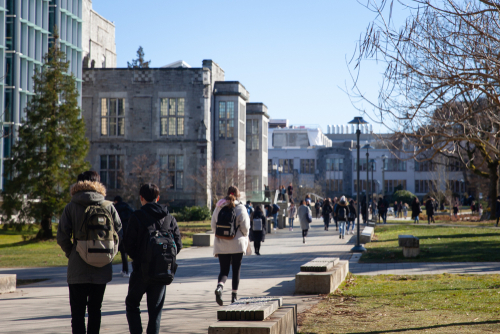
University campuses have long resembled small cities. Today, they produce vast amounts of data that reveal what’s happening and what demands are coming next.
By unifying this data, those responsible for campus operations can make more informed decisions, respond faster, and create better experiences for everyone who lives, learns, and works on campus.
Brad Stevens is vice president of IoT and platform sales at Wesco. With more than three decades of industry experience, he is recognized for his strategic vision and leadership in sales operations and global technology solutions.