
Cold snaps don’t always arrive with a major storm. A quick drop in temperature after a mild stretch can be enough to stress vulnerable piping, especially in perimeter zones and low-circulation spaces. For facilities management teams, a frozen or burst pipe can turn into tenant disruption, safety exposure, and avoidable downtime in a matter of hours. Freeze-thaw damage costs approximately $10 billion annually, making it one of the most preventable winter disruptions facilities managers face.
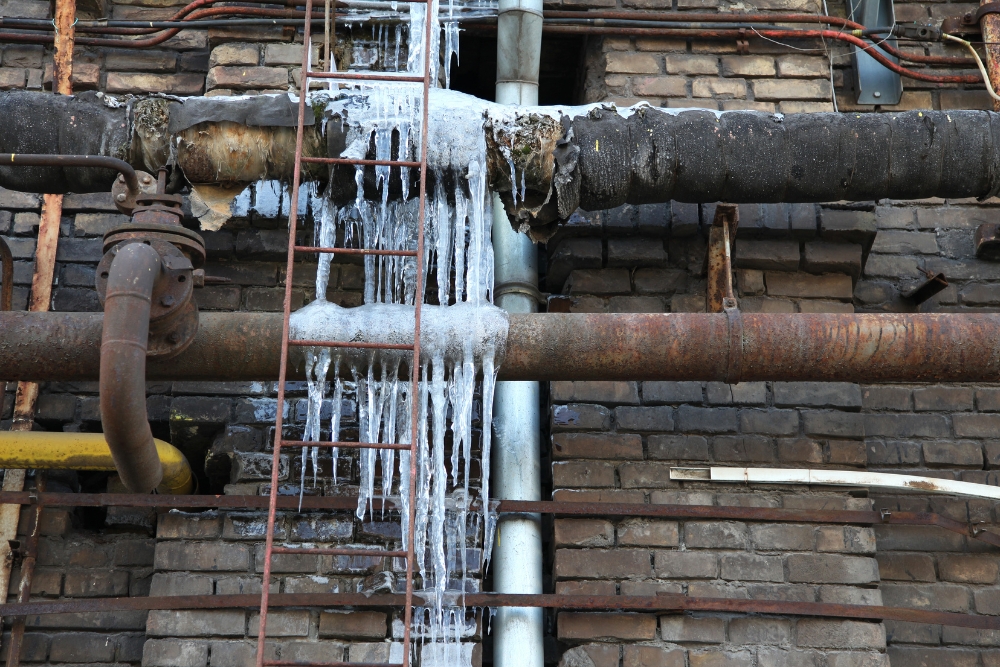
The physics behind the problem is straightforward: Metal cools faster than water, and when temperatures drop rapidly, stress on plumbing infrastructure intensifies. At approximately 20 degrees Fahrenheit, facilities enter the danger zone where flowing water can begin to freeze. As water freezes and expands, it seeks the path of least resistance, typically through fittings and joints that have experienced wear over time. Even without a dramatic burst, rapid temperature shifts create micro-fractures that accumulate season after season.
A reliable approach comes down to two disciplines: a quick prevention walkthrough before temperatures dip, and a steady first-hour response if water starts moving.
The 48-Hour Walkthrough that Prevents Most Headaches
Pre-freeze work is most effective when it stays short, assignable, and repeatable. Focus on limiting cold-air intrusion, keeping vulnerable areas warm, and confirming you can shut water down quickly.
A Checklist for 48 Hours Before a Forecasted Freeze:
- Confirm stable heat and airflow in perimeter and low-traffic zones, including vacant spaces.
- Walk key exposure points: service doors, dock seals, louvers, and known draft locations.
- Inspect targeted piping in vulnerable areas, with extra attention to joints and bends.
- Verify shutoff access and labeling, plus after-hours keys and escalation contacts.
- Check alarms or alerts, then set a plan for off-hours rounds.
This mirrors the core recommendations you see in prevention guides: maintain consistent heat, protect exposed piping, reduce drafts, and avoid discovering shutoff issues during an emergency.
During the Cold Snap: Prioritize Early Detection
During the coldest window, keep the plan simple: Detect problems early and respond fast. The specific symptoms vary, but the operational principle stays consistent. A minor drip can travel along framing, under flooring, and above ceilings, then show up far from the source.
Make it easy for tenants and security teams to report concerns quickly and set a clear escalation threshold for when facilities staff respond in person. A predictable check-in cadence with leadership also reduces delays, especially overnight or on weekends.
The First Hour After a Pipe Freeze or Burst
Once water is moving, the first hour shapes the scope. Sequence matters: source control and safety first, then containment and documentation, followed by stabilization.
The First-Hour Response Sequence:
- Stop the flow at the nearest appropriate shutoff and confirm that pressure is under control.
- Address immediate safety: slip hazards, ceiling stability, and any electrical exposure.
- Contain spread and protect critical assets first, including electrical rooms, elevators, and tenant-critical areas.
- Document conditions early with photos and a short timeline for internal reporting and insurance coordination.
- Engage professional restoration services immediately—do not attempt to self-assess damage scope, especially if water has potentially compromised structural integrity.
One of the single biggest missteps is underestimating hidden damage. Moisture can sit behind finishes even when surfaces appear dry. Insulation, drywall, and structural components absorb water far beyond what’s visible. Within 24 to 48 hours, mold can begin growing on damp materials and can spread quickly, resulting in potential safety hazards and additional remediation costs. Minor wall discoloration often conceals soaked insulation and compromised framing.
After Stabilization: Reduce the Chance of a Repeat
Once the immediate issue is controlled, conduct a post-incident review of what happened and why. Identify where cold air entered, which spaces were hardest to monitor, and whether shutoffs or access slowed the response. Even small fixes—sealing drafts, restoring insulation after repairs, improving airflow in dead zones, and labeling valves—can pay off during the next cold swing.
A Prevention Routine Always Beats Improvisation
Cold snaps are part of operating buildings in many regions. Facilities management teams that run a simple 48-hour walkthrough and follow a steady first-hour sequence will limit spread, reduce disruption, and speed recovery.
Tim Eyre is VP of marketing at property restoration services provider RestoPros.