
Back to Basics is an article series that highlights important, but possibly overlooked, information facilities management professionals should know.
One of the key benefits of an HVAC system is that it can manage cooling, heating, and ventilation in an integrated system with minimal day-to-day input from facilities managers. It keeps a space cool, warm, and ventilated in one sophisticated package. With an effective design and maintenance routine in place, it also contributes to better indoor air quality (IAQ).
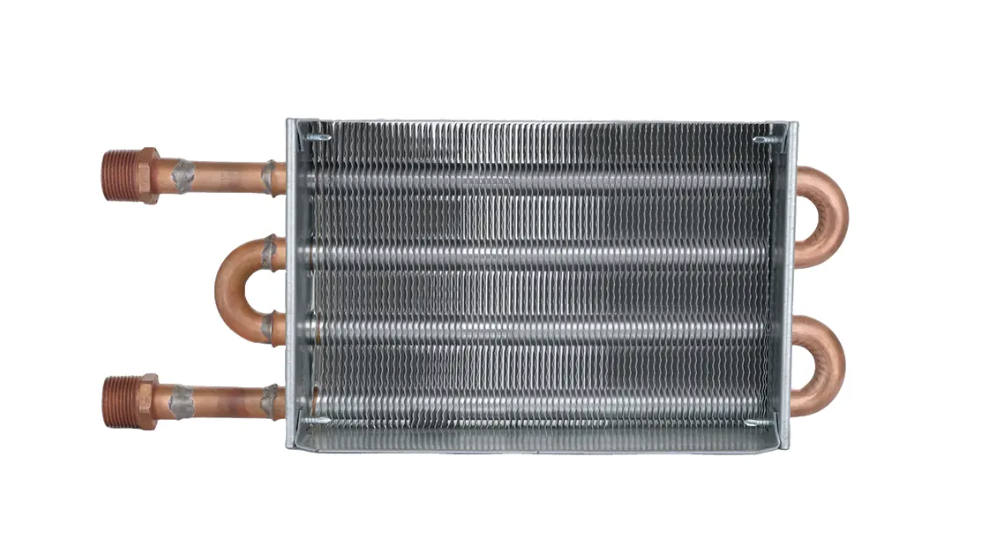
The coils are a critical component of an HVAC system. With this guide, you’ll understand how HVAC coils work, their role in maintaining a cleaner and more comfortable facility, and a few things you can do to ensure it stays that way.
What Role Do HVAC Coils Fill in the Cooling Process?
HVAC coils play an important role in heat transfer. When your air conditioning system turns on, it cycles cool refrigerant to the evaporator coils. These coils are often located near the furnace or air handling system. As the HVAC system pulls air across the coils, the refrigerant absorbs heat, causing moisture in the air to condense on the coil surface. The air handling system cycles the air, now cooler and drier, back through the facility. The final step of the process involves sending the warm refrigerant to the exterior compressor unit, where the heat is released and the refrigerant cools again.
Why Is HVAC Important to Maintain IAQ?
HVAC systems are a useful tool in any IAQ plan, due to their humidity control and ventilation role. When you spend at least eight hours inside a facility, you may notice that indoor air can differ significantly from outdoor air. Without adequate ventilation, dust, debris, contaminants, and even odors can lower your IAQ. For facilities with very precise requirements, such as a clean room or medical clinic, ventilation can be the difference between proper function and diminished performance. Proper ventilation provides a necessary number of air changes, to keep the air safe for human occupation.
How Can HVAC Coils Provide Heating and Cooling?
HVAC coils not only assist in the cooling process but also can help with heating buildings. The same process of cool refrigerant absorbing heat inside a building for release outside can be reversed in many systems, like heat pumps. Duct-mounted booster coils are often used to provide additional localized heating or cooling within an HVAC system. HVAC systems connected to geothermal heat pumps can absorb more heat to maintain indoor temperatures, even in regions with cold winters.
How Do HVAC Coils Contribute to Humidity Control?
Maintaining control over humidity is a key element of IAQ, indoor comfort, and proper facility maintenance. HVAC coils help provide moisture control as a primary mode of operation. Since the refrigerant cycling through the coils drops the temperature nearby to below the dew point, water condenses on the coil surface. The moisture in the air condenses on the coils and drips into a drain pan, which follows a drain line to the outside. For facilities in regions with high relative humidity, or for services that generate steam, lowering humidity is critical for routine function.
Why Is Humidity Control Important for Indoor Spaces?
The right humidity is vital for the comfort of the people working in the space, and it’s an important part of maintaining health and function. In clean rooms involved in processing medications or manufacturing electronic equipment, excess moisture can damage devices or cause materials to clump. Even in standard circumstances, high relative humidity can cause problems. Excess moisture in the air often contributes to mold or mildew growth, which can exacerbate health issues like asthma or allergies in people who spend a lot of time in the space.
What Can Facilities Managers Do to Preserve HVAC Coil Performance?
Although HVAC coils are designed to work well without constant attention, they do require the right environment and occasional maintenance. Facilities managers need to provide a space for the HVAC system that is clean and uncluttered. Specifically, the system should allow for proper airflow across the coils. The HVAC system also requires regular maintenance and air filter changes, particularly in facilities that generate a lot of dust or debris. Clogged air filters can pass dust particles to the coils, which interferes with the exchange of heat and moisture.
Your facility’s HVAC coils play an important role in managing humidity and ensuring that the temperature in the building is just right. By considering how the coils help maintain IAQ, you can take effective steps to ensure that your system delivers peak performance and efficiency.
Megan Bryant is the marketing director at Precision Coils, part of the Nationwide Cooling Group, a company specializing in HVAC coil replacement and OEM solutions. She specializes in aligning marketing strategy with customer needs, from overseeing digital transformation projects to executing high-impact trade show experiences. With a strong focus on both brand development and customer relationships, she brings deep insight into the complexities of HVAC replacement and OEM coil sales.