
Back to Basics is an article series that highlights important, but possibly overlooked, information facilities management professionals should know.
As the seasons change, facilities often experience a buildup of residue, wear, and debris from shifting weather conditions and daily traffic. Increased foot traffic, moisture, outdoor elements, and the spread of germs can quickly lead to visible dirt and added strain on a facility’s cleaning program.
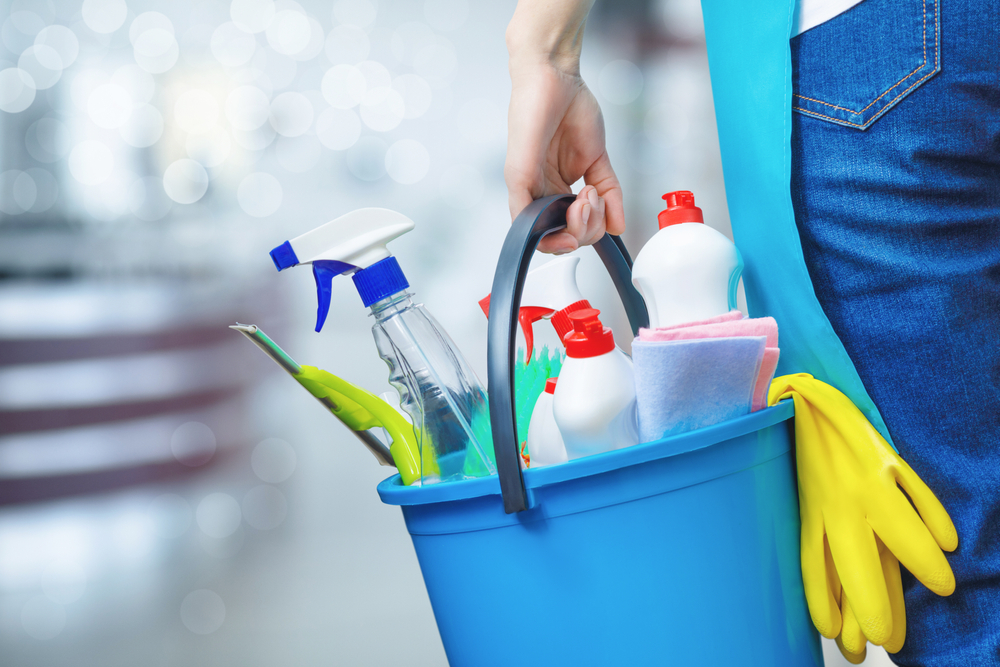
Moving beyond routine maintenance and implementing a strategic, deep-clean reset helps your facility adapt to changing seasonal conditions, supporting safety, improving efficiency, and maintaining consistent facility standards year-round.
Restore Your Floors
Research shows that after 1,500 people have entered a facility, 42% of a floor’s finish can be removed just from the debris tracked in from people’s shoes. Dirt residue can make floors look dirty and cause lasting damage if not removed immediately. According to the EPA’s guidance on indoor surface cleaning, regular removal of contaminants protects both indoor air quality and building materials. Utilizing a systematic cleaning approach that includes multiple passes with clean water to fully dissolve and remove salt crystals, combined with pH-neutral cleaning solutions, can neutralize salt without damaging floors. Keeping entrance areas free of debris also safeguards your flooring and aids in reducing the risk of slips, which are the primary cause of workplace injuries.
Refresh Your Indoor Air
Periods of limited air flow can cause dust, dander, and germs to accumulate and recirculate through HVAC systems for months. Proactively clean dust and debris throughout your facility using professional tools to prevent contaminants from becoming airborne. This helps protect your indoor air quality and reduce negative impacts. Poor air quality can lead to increased allergens and respiratory issues for your facility occupants.
Reset Your Restrooms & High-Touch Areas
With seasonal illnesses continuing to circulate beyond traditional peak periods, maintaining consistent cleaning practices year-round is critical. Facility restrooms and high-touch surfaces like door handles, elevator buttons, light switches, and shared equipment are transmitters for spreading viruses and bacteria. A study found that there are an average of 500,000 bacterial cells per square inch on restroom surfaces. This high bacteria count makes it critical to deep clean and disinfect restrooms and high-touch surfaces.
Use EPA-registered disinfectants with appropriate contact times and systematic cleaning schedules to properly clean all shared spaces and high-traffic touchpoints. Research shows 85% of consumers want to see visible evidence that their facility is cleaned and sanitized regularly.
With several high-touch surfaces throughout a restroom, using a top-down cleaning approach helps ensure thorough cleaning. Start with handles, then sinks, followed by toilets, before moving to the floor to help capture any fallen debris.
Complete an Inventory Audit
A seasonal reset should go beyond completing cleaning tasks; complete an inventory audit to set your cleaning operations up for success throughout the months ahead. Start by disposing of expired chemicals and reorganizing your supply closets. Create a reorder list of high-performance products, including color-coded and environmentally friendly supplies.
Using the same tools across all areas of your facility can lead to cross-contamination. Color coding offers a simple solution by assigning specific tools to different areas. Use warmer colors, such as red and yellow, for higher-risk areas such as restrooms and use cooler hues for lower-risk areas. This strategy enables your cleaning team to help prevent pathogens from being transferred to different areas throughout your facility.
Transitioning to cleaning products certified by a third party improves your environmental footprint while prioritizing the well-being of your facility and its patrons. Third-party certifications are awarded to products that go through rigorous testing to meet environmental standards. Common reputable third-party organizations include Green Seal, EPA Safer Choice, and ECOLOGO. Using third-party-certified products helps maintain consistent cleanliness in high-traffic areas, prioritizing your cleaning team’s and patrons’ safety.
Reset Your Standards
The seasonal transitions are the perfect time to retrain staff on proper dwell times and cleaning practices. A reset with clear processes is an investment in your building’s lifespan and the health of its occupants. Focusing on air quality, strategic disinfection, and sustainable products will help restore your facility’s cleanliness. Meanwhile, maintaining it through the precision and expertise of a well-trained team will ensure it’s ready for the high-traffic months ahead.
Carlos Albir Jr. is vice president of operations at ABCO Cleaning Products, a family-owned, Certified Minority Business Enterprise with Green Seal-certified products, headquartered in Miami.