
Renovations bring many changes that can affect a building’s security. Doors are often left unlocked so construction crews can move in and out, and traditional measures like cameras may go offline to accommodate rewiring or repainting. These shifts create opportunities for theft and unauthorized access. Facilities managers must adapt quickly to keep people and property safe while work is underway. Here’s how you can strengthen safety during active build-outs.
1. Conduct a Focused Risk Assessment
Before the total strip-out begins, walk the site to identify security vulnerabilities. Note which doors will have new functions, where cameras and alarms will be offline, and what areas will host temporary staff or services. Map where materials, tools, and IT gear will be stored so heat sources and power stay separated from high-risk areas.
Include fire hazards in this first review. During major renovations, ignition most often starts in exposed framing, interior finishes, electrical wiring insulation, exterior wall finishes, and insulation hidden within structural cavities. These materials are frequently uncovered or disturbed throughout the early phases of work.
Create a simple risk matrix listing each issue, its owner, mitigation actions, and target dates. Update this weekly during construction meetings, as new threats may emerge with each phase of the renovation. This living document ensures everyone knows what hazards exist and how they’re being addressed.
2. Tighten Access Control With Time-Bound Credentials
Renovation sites have many workers and vendors who come and go, and controlling access to who enters where is vital. Equipment and material theft during construction drives losses that reach roughly $1 billion each year, and only one-quarter of stolen items ever make it back to the site.
Strengthen access control by replacing shared keys or PIN codes with digital credentials that expire regularly on a daily or weekly basis. Define entry zones so contractors only enter the areas they need. Keep sensitive spaces, such as IT closets and record rooms, off-limits unless people are escorted.
You should also collect government IDs and photos during enrollment to verify identities. Review and reconcile the active contractor list weekly and remove credentials for inactive workers to close this security gap. These steps build a clear audit trail for access.
3. Use Portable Surveillance to Fill Coverage Gaps
Renovations often require cameras to be taken offline, especially when facilities need a serious remodel. Losing video coverage invites theft and unauthorized activity. To prevent that:
- Use rapid-deploy camera kits with battery backup and cellular connections.
- Add pole-mounted units for outdoor staging areas or laydown yards.
- Attach mini-dome cameras indoors on magnetic mounts while ceiling work is ongoing.
- Select units with analytics for loitering, line crossing, and after-hours motion.
Some cameras today have facial recognition systems that can achieve accuracy above 90%, helping teams verify identities as access patterns shift during construction. Share live video feeds with project managers and security teams to maintain continuous visibility.
4. Secure the Perimeter and Temporary Pathways
Fencing, dumpsters, and materials create new obstacles and blind spots. To prevent these from becoming security risks, ensure the perimeter is well-lit from dusk to dawn. Studies have consistently shown that areas with consistent lighting experience fewer criminal incidents than dim areas.
Place cameras to monitor gates, storage, fuel tanks, and loading zones. Sensors on temporary trailers and construction doors also help detect movement.
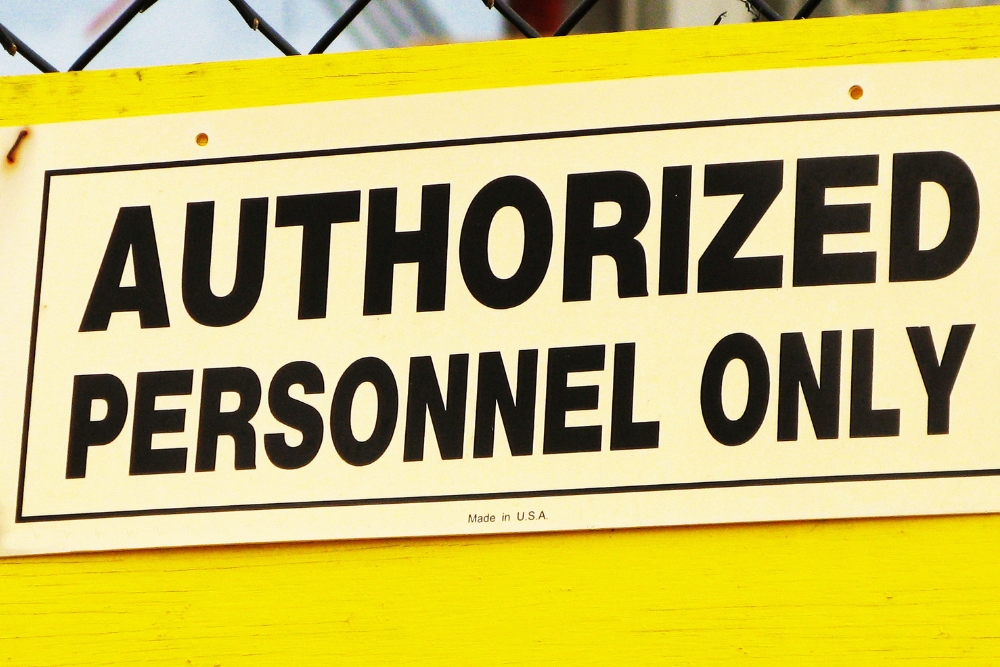
You should also add clear signage marking “Authorized Personnel Only” areas to reduce accidental trespass. A clear map of delivery routes, staging areas, and emergency access points also helps security and first responders in case incidents occur.
5. Protect Data and Building Systems During Construction
Exposed cabling, switches, and panels raise both physical and network risk during renovations. Securing IT closets and electrical rooms with role-based access and audit logs limits who can touch critical infrastructure and creates accountability when issues arise.
When ceilings are open, store the servers, network video recorders, and related hardware in locked enclosures. This protects equipment from dust, impact, and casual tampering. Isolating contractor Wi-Fi prevents temporary devices from connecting to core facility systems, which reduces the chance of misconfigurations or data exposure.
Track the movement of critical IT equipment during temporary relocations. Knowing where assets are at all times helps avoid loss, shortens recovery after incidents, and keeps systems available while work continues.
Have a Steady Security Plan Even in a Changing Site
It’s not news that renovations disrupt normal building operations. Without adapting safeguards to the changing environment, risks multiply. Facilities managers who stay proactive reduce theft, keep staff safe, and maintain uninterrupted services.
By following these steps, facilities managers turn renovation challenges into opportunities for stronger security that protects people, assets, and operations today and into the future.

Zac Amos covers smart homes, cybersecurity, and other trending tech topics and is the features editor at ReHack. For more of his work, follow him on X or LinkedIn.