
Facilities management often includes landscaping and other outdoor maintenance. If you’ll be working outside this season, beware: Ticks are making their return fast and furiously.
During Tick Awareness Week (May 3-9), the National Pest Management Association (NPMA) is warning about the potential health threats ticks pose and the best ways to keep these parasitic pests away while you’re working outside or simply enjoying the great outdoors.
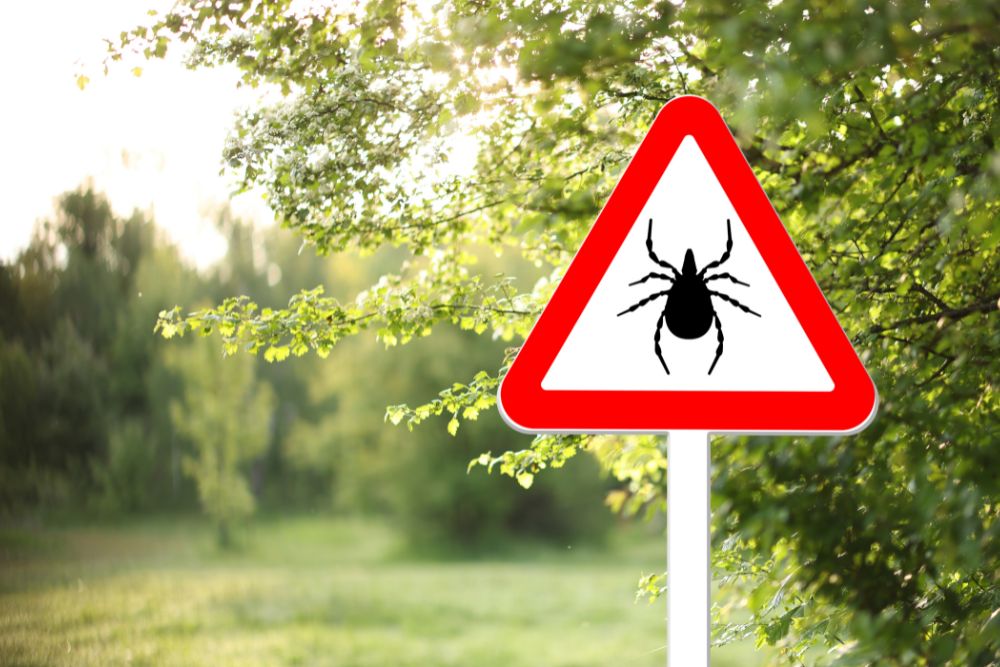
Lyme disease, Rocky Mountain spotted fever and alpha-gal syndrome are a few of the many diseases that ticks can put humans and animals at risk for. According to recent data from the Centers for Disease Control and Prevention (CDC), weekly visits to the emergency room for tick bites are at the highest level since 2017 for this time of year.
“Tick bites can lead to serious health consequences, including fever, chills, severe headaches, and joint pain,” said Dr. Jorge Parada, medical advisor for the NPMA. “These are symptoms that are easy to write off as a common cold, which is exactly why awareness matters. If you’ve had a run-in with a tick, don’t wait. Prompt removal before they have a chance to transmit diseases is one of the most important steps you can take to protect your health.”
Ticks thrive in areas with dense vegetation, including tall grass, shrubs, and even tree branches. To reduce chances of unwanted encounters with ticks:
- Use EPA-approved insect repellent with at least 20% DEET on clothing and exposed skin.
- Wear light-colored, long-sleeved clothing and closed-toe shoes when outdoors in areas where ticks may be present.
- Trim grass and maintain other vegetation.
- Avoid overgrown areas when participating in outdoor activities.
- Thoroughly check yourself and clothing for ticks before going indoors.
“As we move into the warmest part of the year, tick activity will only intensify,” said Dr. Jim Fredericks, SVP of public affairs at the NPMA. “Knowing where ticks lurk, ways to prevent exposure, and how to reduce the number of ticks on your property can make all the difference in staying safe and healthy this season.”
For more safety and prevention tips, visit TickTalk.org.