
Disasters rarely arrive with warning, and their aftermath can escalate quickly without the right response. Tornadoes, for example, strike Texas more frequently than almost any other state, often with devastating results. In one recent year, these storms caused over $229 million in damage across the U.S., with many commercial properties hit especially hard. Businesses that lacked a clear disaster response plan saw extended closures, costly repairs, and in some cases, permanent shutdowns.
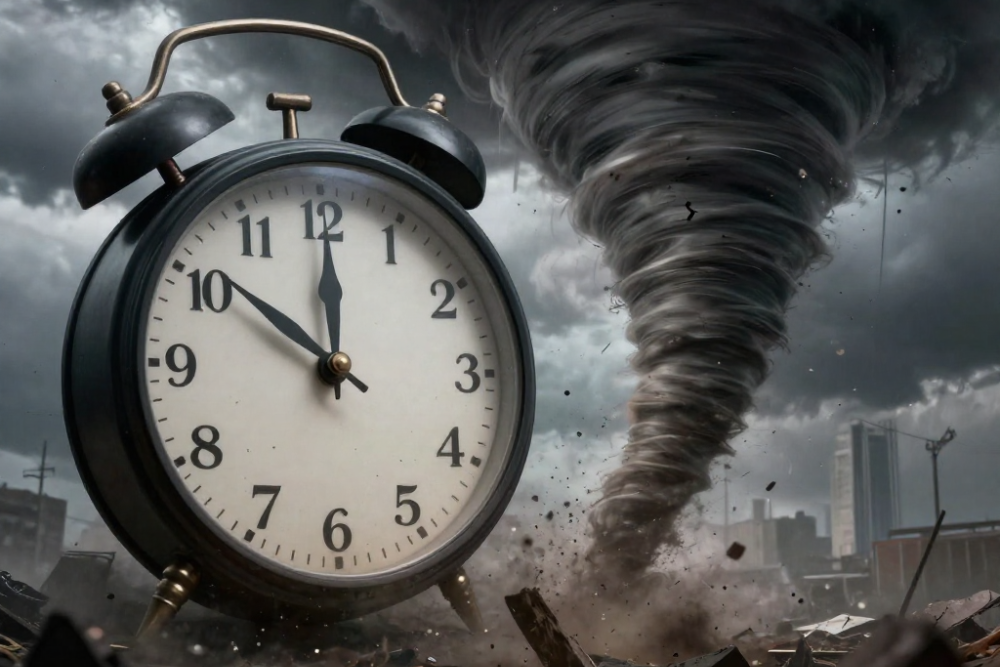
Delays in response aren’t unusual, but they’re often more costly than expected. Facilities professionals are under immense pressure to balance budgets, manage multiple sites, and keep tenants satisfied. Yet when disaster strikes, the speed of the response can determine whether the incident remains a setback or becomes a crisis.
Small Delays, Big Price Tags
Damage doesn’t pause once the skies clear. Moisture trapped behind walls or under flooring creates ideal conditions for mold, rot, and corrosion. Electrical systems exposed to water can degrade quickly, becoming safety hazards. The longer these issues sit, the more extensive and expensive the repair becomes.
Industry surveys and expert commentary consistently point to a sharp rise in restoration costs when mitigation is delayed, especially beyond the 24-48 hour mark. The Institute for Environmental Research and Education notes that visible mold growth can begin within that window, complicating cleanup and introducing health and regulatory concerns.
Restoration professionals report that what begins as a localized water event can turn into a full-scale structural and environmental problem in just a few days. According to the widely adopted ANSI/IICRC S500 standard for professional water damage restoration, early mitigation is essential for controlling damage and preventing secondary issues like mold or material degradation. Delays often complicate compliance with these protocols and can significantly extend recovery timelines.
Insurance providers also take timing into account. Many policies include language requiring property owners to take reasonable steps to mitigate further damage. Waiting too long can jeopardize claim approvals or reduce coverage.
Downtime that Doesn’t Make Headlines
Revenue loss often continues long after the physical damage has been addressed. Office buildings, retail spaces, and multi-use facilities depend on continuity. When tenants are displaced or lose access to essential infrastructure, their own business operations suffer. For property owners, this means not only lost rental income but also a potential breach of service expectations.
In similar cases, delayed restoration at healthcare facilities has led to canceled appointments, reputational damage for tenants, and even the loss of long-term leases. Even when buildings are restored within weeks, the operational and financial consequences can extend far beyond the physical repairs.
Reputation Is on the Line
It’s not only about structures and spreadsheets. How property managers respond in a crisis affects tenant trust and long-term retention. Silence or visible inaction during an emergency can leave tenants feeling abandoned. On the other hand, swift communication and immediate action send a clear message: You’re in control, and their safety matters.
Facilities teams that already have a disaster protocol in place can act faster and more confidently. Those without a plan often find themselves scrambling for vendors, approvals, and internal alignment at the worst possible time.
Building a Faster Response
Preparation starts well before disaster hits. The most resilient facilities teams have pre-established relationships with trusted restoration partners who can mobilize quickly. FEMA’s National Disaster Recovery Framework highlights how important it is for different teams and stakeholders to work together and plan ahead. Facilities that follow these principles tend to recover faster and more smoothly, protecting both their buildings and the people who rely on them.
Disaster restoration companies can partner with facilities teams year-round to help build proactive frameworks that support faster, more effective disaster response. The goal isn’t only to restore buildings but to minimize disruption at every stage, from first notice to final inspection.
Looking Ahead
Disasters can’t be scheduled, but responses can. And in most cases, the cost of waiting even one extra day far exceeds the cost of being prepared. Facilities professionals who prioritize readiness help safeguard both their properties and the people who depend on them.
If your current disaster response plan hasn’t been revisited in a while, now is the time. Because when the next event arrives, the clock won’t wait.
Kristin Whitley Smith, CPA, is president of disaster restoration provider Mooring USA.