
For many years, shared commercial spaces such as offices, lounges, and lobbies followed stark and simplistic design templates. Elements such as white walls, rigid layouts, and lackluster furniture were standard.
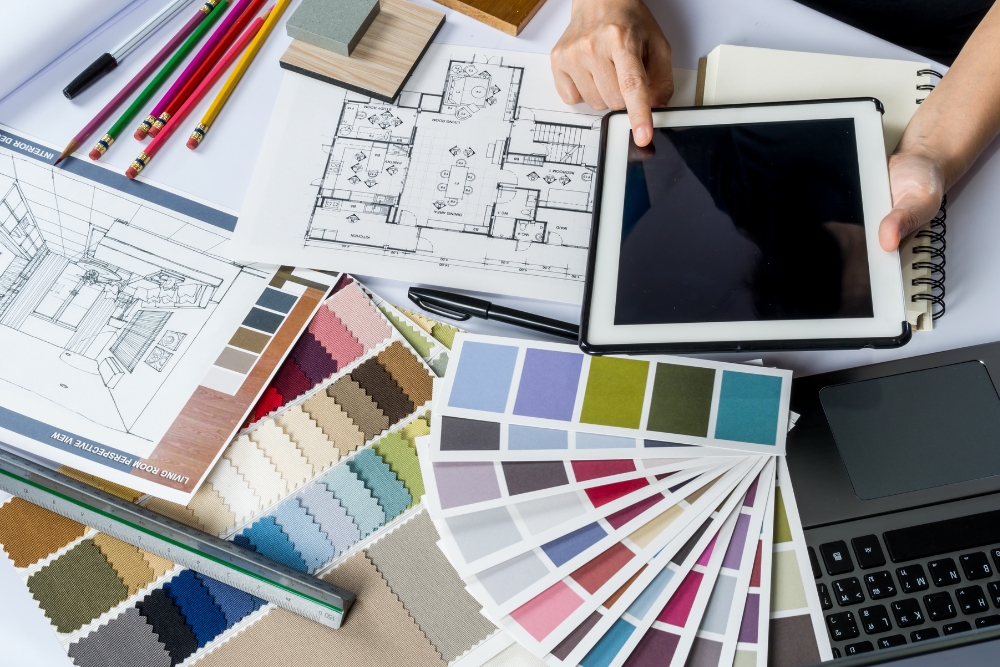
As consumers and workers continue to gravitate toward spaces they find aesthetically pleasing, thoughtful and personalized interior design has become essential. It is now a core part of showcasing a brand’s identity and driving overall guest and worker satisfaction.
Organizations are now recognizing that furnishings and decor are not just a backdrop; they serve an active role in productivity, engagement, and user experience. As individual expectations shift, facilities managers face a growing challenge—curating spaces that feel personal and flexible while still meeting durability, budget, and output requirements.
In a world shaped by hybrid work, varied preferences, and shifting workstyles, flexibility in facility design will be paramount.
Building Spaces that Adapt to Everyone
Prior to the pandemic, the majority of the workforce worked in the office at their desks from 9-5, which is no longer the case. Since the rise of hybrid work, employees have grown accustomed to more comfortable working environments and to changing their scenery as they saw fit, altering their expectations for commercial spaces.
Now, a space might need to accommodate quiet work in the morning, a team meeting in the afternoon, and a client visit later. Fixed layouts can leave areas unused or make organizations build more than they need. Flexible design lets rooms easily switch between solo work, teamwork, and remote meetings.
Different generations also have their own needs. From Gen Z to boomers, everyone expects different levels of privacy, focus, and social time. Inclusive design helps by removing barriers, acknowledging cultural differences, and making sure everyone can work comfortably and confidently.
Organizations are also planning for sustainability and better use of space. When rooms can be changed over time rather than torn down, furniture lasts longer, less waste is generated, and real estate is used more wisely.
Modular Designs Champion Personalization
Furniture and layouts that can be easily moved make it easier for people to personalize their space. Adjustable desks, movable chairs, and modular dividers help a room support a range of activities, from quiet work to teamwork to learning to simply chatting with a coworker.
The best solutions focus on how a space works, not just how it looks. Personalization is about making the space useful for the people in it, not just giving them style options. Lightweight, easy-to-use pieces make it simple to rearrange rooms, and flexible systems let furniture move or expand as the organization changes.
Maximizing Comfort to Fit Within Resources
Tailored areas do more than help people work—they boost comfort, focus, and well-being. When employees or visitors can adjust their surroundings, they feel more in control, confident, and included.
Of course, limitations may impact design. Budgets, ceiling heights, noise, and access to power or resources can all affect how flexible a space can be. Careful planning, focusing on the busiest areas, choosing strong materials, and designing for reuse can help balance these needs without sacrificing flexibility or functionality.
Future Spaces Will Communicate Trust and Human-Centered Values
Well-designed environments go beyond providing workers and visitors with basic seating; they help shape how individuals perceive a business. As one of the major physical touchpoints between a business and an individual, intentionally curated spaces convey care, trust, and human-centered priorities.
Modular, adaptable, and customized design lets organizations create rooms that feel purposeful and welcoming, not generic. People notice, appreciate, and engage more when spaces are built around their needs.
The future of office design is about flexibility, not perfection. Spaces that adapt to the people who use them boost productivity, well-being, and connection while making the most of every square foot.
Jennifer DeGennaro is the vice president of business development at Raymour & Flanigan. In her role, DeGennaro leads Raymour & Flanigan’s For Business program and has served over 65,000 clients, the majority of whom are senior living, residential facilities, commercial, and hospitality clients.