
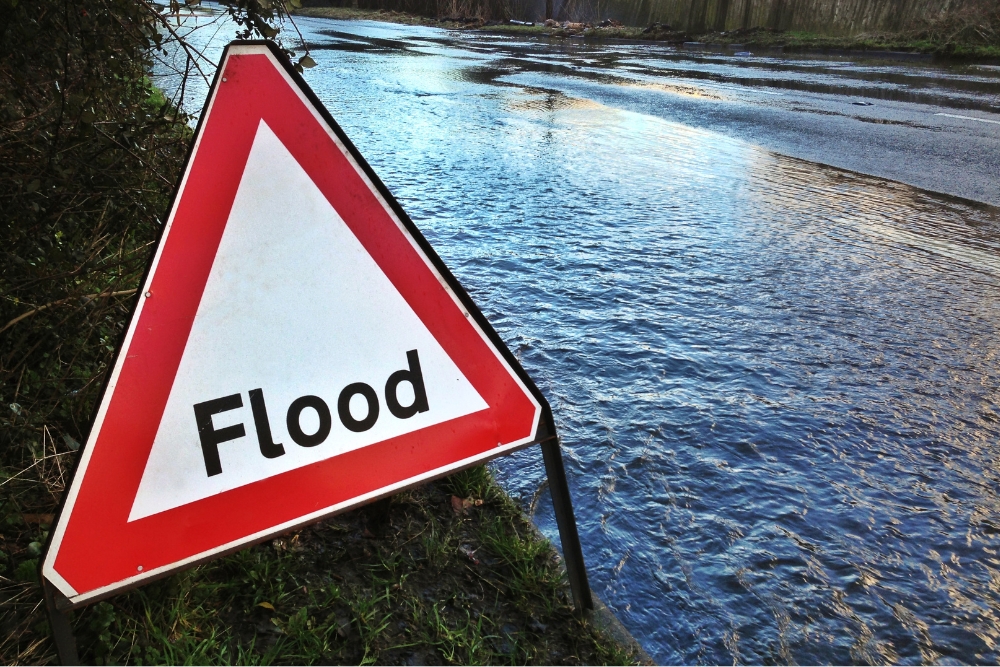
As the spring flooding season returns, commercial, rental, and private property owners face more than visible water damage. Hidden contamination in air, building materials, and water systems can create health risks, regulatory issues, and tenant concerns if not properly addressed. Targeted environmental testing after a flood helps:
- Document damage for insurance and future transactions;
- Protect occupants, staff, and visitors; and
- Prove that remediation was effective before re-occupancy.
In this post, we highlight five key areas for facilities managers to evaluate during post-flood cleanup. Because local rules vary, be sure to consult your local housing authorities and regulatory agencies to confirm legal compliance requirements.
1. Mold and Fungal Testing
Elevated mold levels are one of the most common problems reported after flooding in homes and commercial properties. The full impact is not always visible right away, as mold can grow behind walls, under flooring, or in HVAC systems long after the water recedes. Over time, these hidden issues can lead to costly remediation and may significantly reduce a property’s resale value.
In some cases, hidden mold can also affect insurance coverage. Many policies either exclude mold or cover it only in limited situations. If remediation is delayed and the problem grows, the cost of cleanup rises. Insurers may view the delay as negligence on the part of the property owner, which can contribute to denial of coverage or premium increases.
Typical post-flood mold and fungal testing can include:
- Air samples (spore traps) in units, corridors, basements, and mechanical rooms to compare indoor levels to outdoor/background levels.
- Surface samples (tape lifts or swabs) from visible growth on drywall, wood, and contents to identify what is growing and how extensive it is.
- Bulk samples of damaged materials (drywall, insulation, carpet pad) for confirmation when planning removal and clearance.
2. Indoor Air Quality (IAQ) Testing
After a flood, air quality issues can arise from dust, odors, and chemicals released by wet building materials and cleaning or restoration products. These contaminants can irritate eyes, skin, and respiratory systems, trigger asthma or allergy symptoms, and create unhealthy conditions that are especially risky for children, older adults, and people with pre-existing health issues. IAQ testing helps building owners decide when to increase ventilation, upgrade filtration, modify cleaning methods, and confirm that indoor conditions meet expectations before allowing tenants and staff to return.
Common IAQ testing includes:
- Mold spores and fragments, especially in areas with musty odors or where occupants report symptoms.
- Volatile organic compounds (VOCs) from wet finishes, adhesives, disinfectants, and restoration chemicals.
- Particulate matter (dust, residues, and fibers, including asbestos) generated during demolition, drying, and rebuilding activities.
3. Testing for Legionella and Other Waterborne Pathogens
Even when the public water supply has been deemed safe for drinking, bathing, and cooking, the building’s water systems can remain a concern, especially if flood remediation requires shutting down the water system or long periods of low occupancy. Stagnant, lukewarm water and disrupted disinfection regimes can support the growth of Legionella and other waterborne pathogens.
Targeted water testing may involve:
- Legionella testing in areas prone to growth, such as water systems, showers, decorative fountains, spas, and cooling towers.
- E. coli and other coliform bacteria, which indicate fecal contamination and possible presence of other disease-causing germs.
- Bacteria, such as Pseudomonas aeruginosa and nontuberculous Mycobacterium species, which can colonize plumbing biofilms and pose risks to people with weakened immune systems.
Testing for certain waterborne organisms is already required by law in certain jurisdictions and facility categories—e.g., hospitals, assisted living facilities, and certain types of manufacturing. However, significant events, like flooding, major water damage, or periods of inoccupancy, should prompt facilities to adjust their routine testing schedule so that elevated levels of these pathogens are detected promptly.
4. Fecal Contamination
When spring floods involve sewer overflows, septic failures, or heavily impacted stormwater, fecal contamination becomes a central concern. As contaminated water recedes, bacteria and other contaminants can be left behind in a thin film or in dust. As some fecal bacteria can survive on dry surfaces for days, building occupants can be exposed to pathogens even when everything appears clean and dry. This is especially concerning in settings where children, older adults, or immunocompromised individuals may be present.
Fecal source tracking (FST) adds another layer of insight by helping identify whether the fecal contamination came from human sewage, domestic animals, or wildlife. Knowing the source is critical because human sewage generally carries a higher likelihood of serious pathogens than many nonhuman sources and, thus, may warrant more aggressive remediation, disinfection, and follow-up testing.
5. Asbestos and Lead in Legacy Building Materials
Flood damage often forces rapid demolition and renovation, which can disturb older materials containing asbestos, lead, or other contaminants of concern. Identifying these hazards early helps you plan compliant abatement, protect workers and occupants, and obtain clearance data that can be used with regulators, insurers, and future buyers. Once remediation is complete, dust-wipe sampling can ensure no residual contaminants remain.
Key material tests include:
- Asbestos in insulation, sprayed fireproofing, ceiling tiles, flooring, joint compounds, and other pre-regulation materials.
- Lead in paints and coatings on doors, windows, trim, and metal components, along with dust testing after demolition or sanding.
As in the other categories of post-flood assessments and testing, licensing and regulatory requirements vary by state and local jurisdiction. Check with your local housing authority and health department for specific requirements in your area. Those in certain business categories, such as healthcare and construction, should also check with the appropriate authorities having jurisdiction (AHJ) or trade associations for additional requirements and guidance.
Why Testing Matters This Spring
According to the National Weather Service, much of the land mass in the lower 48 states experienced snow cover this winter, and a developing La Niña may bring more frequent storms to the northern and eastern interior of the U.S. Together, this snowpack and storm pattern raise the risk of rapid snowmelt, saturated soils, and spring flooding, increasing the chances of repeated flood events this year. Creating a proactive testing strategy can help you move quickly from emergency response to documented recovery, ensure compliance with regulations, and protect your building’s occupants.
Dr. Michael Berg is the technical director for building sciences at Pace Analytical Services. He has over 20 years of experience in the environmental testing industry and holds a Ph.D. in biology from the Technical University of Darmstadt, Germany. Dr. Berg researched plant pathology and plant genetics as a postdoctoral fellow at Oklahoma State University. He also worked in fungicide research for BASF in Germany.