
Renovation and expansion projects are massive undertakings that require a coordinated effort across service providers, from construction crews that build these structures from the ground up to interior designers responsible for finishing touches. While these projects are essential for keeping facilities functional and efficient, they generate large amounts of waste that can result in project delays and costly fines if not managed properly.
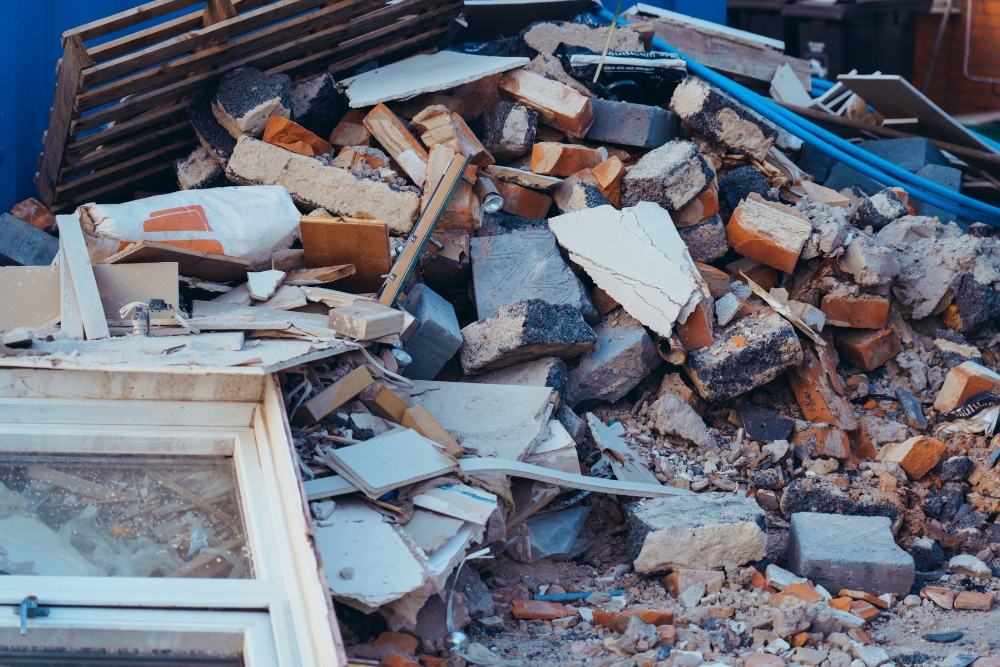
Facilities managers have the crucial responsibility of ensuring waste is handled safely, efficiently, and in compliance with local, state, and federal regulations. Fortunately, partnering with a reliable dumpster rental company helps ensure jobsites stay clear of waste pileups that would otherwise act as safety hazards and slow job progress.
Why Compliance and Safety Matter
Construction projects not only generate a significant amount of waste but also a variety of waste materials that are subject to different disposal regulations. For instance, concrete is often too heavy for regular dumpsters to handle, and typically needs to be disposed of in heavy-duty dumpsters. In addition, most waste removal providers will only provide 10-yard dumpsters when disposing of concrete due to the weight limits that their trucks can carry. Non-compliance, whether intentional or not, can result in expensive fines, failed inspections, permit issues, and project delays.
Maintaining a clean and organized jobsite also plays a crucial role in helping keep jobsites safe by reducing trip and fall hazards, equipment accidents, and waste pileups that crews need to work around—often resulting in project delays and increased labor costs. Similarly, facilities managers should make sure materials are recycled when possible since this helps save money and meet environmental regulations and sustainability goals.
Common Waste Compliance Challenges During Renovations
Another obstacle that facilities managers face during renovations and additions is determining which materials can be landfilled or recycled, and which materials require specialized disposal. Hazardous materials such as chemicals and certain types of paint aren’t allowed in dumpsters, requiring additional forethought to prevent project delays and costly fines. These considerations especially apply to older facilities since they often contain materials that require specialized handling—think asbestos, lead-based paint, or mercury-containing fixtures. When these materials are present, facilities managers should engage a licensed abatement contractor before waste removal begins—abatement must be completed and documented separately from standard construction debris disposal.
Projects that involve hazardous materials require additional coordination between waste management providers, so it’s important to think ahead to ensure projects stay on schedule and within budget. Similarly, overfilling dumpsters is another common waste compliance challenge since they are not only harder to transport but also incur additional fees. Because of this, it is essential to choose the right dumpster size at the very beginning of your project. That way, you won’t have to worry about project slowdowns or expensive fines.
Here’s a quick breakdown of what dumpster size best fits various renovation and addition project needs:
- Small dumpsters (10-15 yards): These dumpsters are ideal for smaller commercial projects, such as a single-suite office renovation, a restroom remodel, or light interior demolition within one section of a larger facility. They are also well-suited for extremely heavy materials, such as concrete, brick, asphalt, and other dense demolition debris, where weight is a greater concern than volume.
- Medium dumpsters (20-30 yards): Medium-sized dumpsters are well-suited for multi-room commercial renovations, floor-by-floor tenant fit-outs, mid-scale mechanical and building systems upgrades, commercial and residential roofing projects, and other fast-turn construction or renovation jobs.
- Large dumpsters (40 yards). A 40-yard container is typically required for large-scale facility projects such as full-floor demolitions, major building additions, or renovation work on industrial and healthcare campuses where debris volume is substantial and ongoing.
Understanding Construction and Demolition Waste Requirements
Construction and demolition projects generate a wide range of waste materials, including concrete, asphalt, metal, wood, cardboard, and drywall. Depending on local regulations, many of these materials may be eligible for recycling programs or subject to diversion requirements that keep reusable resources out of landfills. As a result, facilities managers must understand how different materials should be handled and whether they need to be separated before disposal. Many municipalities and recycling facilities require source separation to improve recycling efficiency and ensure compliance with environmental standards. Equally important is the documentation trail that runs alongside physical disposal.
In addition to proper sorting, there is a growing emphasis on waste tracking, diversion reporting, and maintaining accurate disposal records throughout a project. Documentation such as weight tickets and recycling receipts is increasingly required to support permit approvals, sustainability initiatives, and project closeout requirements. These records can also help demonstrate compliance during audits or inspections while supporting broader environmental goals.
Partnering with a knowledgeable dumpster rental company can help simplify the process by providing guidance on local disposal regulations and assisting with the documentation needed to support compliance and reporting efforts. This partnership helps facilities managers reduce administrative burdens while keeping projects on track and aligned with regulatory requirements.
Clean and Compliant Jobsites Start with the Right Waste Management Partner
Effective waste management throughout a project means more than keeping jobsites clean. It also helps protect worker safety, maintain regulatory compliance, and support sustainability goals. By understanding waste requirements, planning for proper disposal ahead of time, and maintaining accurate documentation, facilities managers can keep projects moving forward without worrying about costly fines and project delays.
Facilities managers who build waste compliance into the project plan from the start, rather than treating it as an afterthought, are better positioned to avoid the fines, delays, and inspection failures that derail otherwise well-run renovation projects. While this can be a lot to keep track of, partnering with a reliable dumpster rental company can streamline debris removal while helping ensure compliance throughout every phase of a renovation or addition project.
Stephen Wiles is the brand president for redbox+ Dumpsters, a BELFOR Franchise Group Brand. He has decades of experience providing executive-level leadership to multimillion-dollar enterprises and has also worked as a consultant and coach.