
Managing swimming pools for multifamily communities, associations, country clubs, hotels, gyms, and other commercial facilities requires more than maintaining clear water and opening each day. Successful operations depend on disciplined systems that protect swimmers, extend asset life, and prevent safety incidents, whether operating seasonally or year-round.
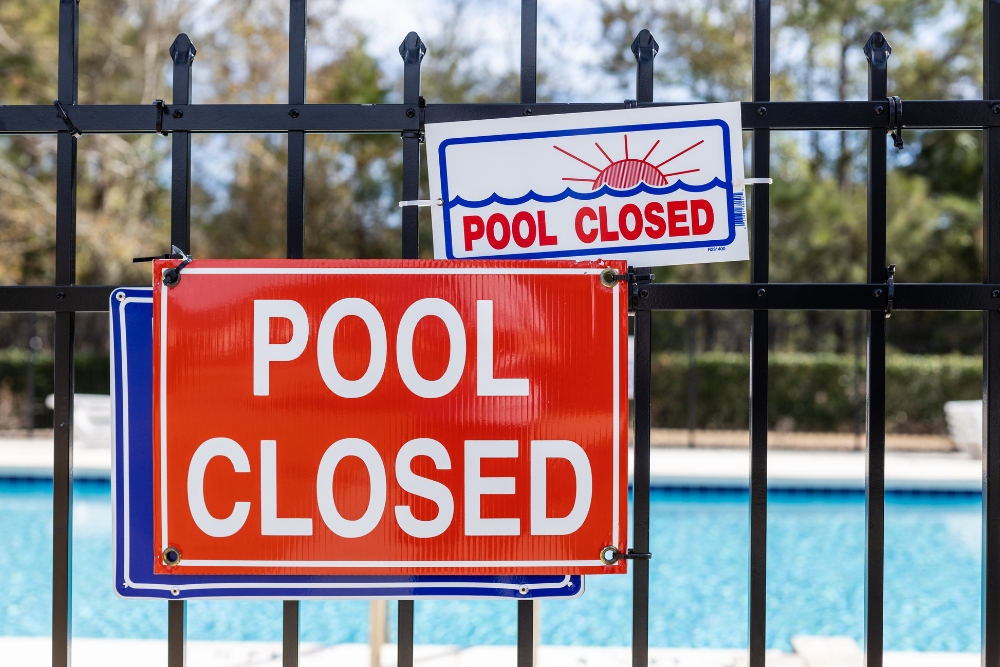
More often than not, safety incidents and operational disruptions begin with routine oversights that seem minor in isolation but gradually compound into larger problems. A missed inspection, a delayed maintenance issue, or an undertrained staff can quickly undermine otherwise successful operations.
Fortunately, these risks are preventable. High-performing aquatic operations don’t simply respond to problems after they occur. They implement disciplined processes designed to identify risks early and resolve them before they escalate.
Here are five of the most common oversights in aquatic operations that facility owners and operators should be aware of:
1. Inadequate In-Service Training
Lifeguard certification is an important starting point, but it should never be viewed as the finish line. One of the most common operational oversights is assuming preseason training alone will sustain the same level of readiness throughout the season.
Emergency response skills can diminish over time. As the season progresses, complacency can develop, personnel changes occur, and the demands of day-to-day operations often push ongoing training aside. Without consistent reinforcement and common language, communication can break down, response times may slow, and coordinated emergency response can suffer when every second matters.
Maintaining readiness requires structured in-service training. Regular emergency response drills, scenario-based exercises, and routine performance evaluations reinforce critical skills and help ensure every team member remains prepared to respond effectively during an emergency.
2. Ignoring Minor Chemical Imbalances
Water chemistry rarely becomes problematic overnight. More often, issues begin with small fluctuations that are dismissed because the pool still appears safe and operational.
Minor deviations in pH or sanitizer levels can quickly develop into cloudy water, swimmer discomfort, waterborne illness concerns, equipment corrosion, or unplanned closures if corrective action is delayed. Beyond the immediate operational impact, inconsistent water quality can erode trust in the facility, discourage residents and guests from using the pool, and create unnecessary liability for property owners.
Preventing chemical issues requires more than routine testing. Clear operating thresholds, documented trend analysis, calibrated testing equipment, and defined response procedures help ensure small variances are corrected before they become larger concerns.
3. Deferred Equipment Inspections
A swimming pool’s most critical safety and mechanical components often operate unnoticed until something goes wrong. When routine inspections are delayed or operators rely solely on visible signs of wear, minor issues can quietly escalate into equipment failures, safety hazards, or unexpected facility closures.
Drain covers, ladders, handrails, pumps, filtration systems, heaters, and circulation equipment all require routine inspection throughout the operating season to help identify wear before it becomes a safety or operational concern.
Preventive maintenance should be treated as an ongoing operational discipline rather than a reactive repair program. Structured inspection schedules, detailed maintenance records, and proactive equipment replacement help reduce unexpected downtime, extend asset life, and ensure critical systems continue performing as intended.
4. Reactive Staffing Models
Meeting minimum staffing requirements may satisfy operational and regulatory expectations, but it often leaves little flexibility when unexpected challenges arise. Illnesses, last-minute call-outs, increased swimmer attendance, and scheduling conflicts can quickly strain an operation, forcing facilities to reduce hours or temporarily close to maintain safe staffing levels.
Reactive staffing also places additional pressure on the staff who remain on duty. As teams become stretched, routine responsibilities such as water testing, equipment inspections, and ongoing training can become more difficult to execute consistently, increasing the likelihood of operational oversights.
Building staffing resilience requires more than filling shifts. Cross-training personnel, maintaining a pipeline of qualified staff, investing in employee retention, and preparing contingency plans help organizations maintain operational continuity while ensuring critical safety responsibilities remain a priority throughout the season.
5. Poor Escalation Protocols
Even experienced staff can’t resolve every operational issue on their own. Without clearly defined escalation protocols, uncertainty about who to notify or when to escalate a concern can quickly turn a manageable issue into a larger operational disruption.
Whether the issue involves water quality, damaged equipment, severe weather, or a safety concern, delays in communication can allow manageable situations to become operational disruptions. Clear reporting procedures help ensure issues are addressed quickly, consistently, and before they affect swimmers or interrupt normal operations.
Clear escalation protocols should be established before they’re needed. Every team member should understand when an issue requires escalation, who should be notified, how incidents are documented, and who has the authority to make operational decisions. That clarity enables organizations to respond decisively while minimizing risk and unnecessary disruption.
Operational Excellence Is Built Before an Incident Occurs
Successful aquatic operations aren’t defined by how well they respond to emergencies—they’re defined by how consistently they prevent them.
The most effective organizations recognize that safety, maintenance, staffing, and communication are interconnected. Small operational disciplines, repeated consistently over time, create safer facilities, protect valuable infrastructure, reduce unexpected closures, and provide a better experience for everyone who uses the facility.
For facility owners and operators, operational excellence isn’t defined by reacting effectively when problems occur. It’s achieved by building disciplined systems that identify risks early, reinforce consistency, and prevent small oversights from becoming safety incidents or operational disruptions.
Phil Carter serves as executive vice president of new business development for The Amenity Collective, leading integrated commercial strategy across the organization’s brand platforms. Most recently, he served as CEO of Amenity Pool Services, where he integrated multiple aquatics-based companies into a single, scalable platform.