
As temperatures begin to drop across the country, Rainbow Restoration is urging property owners and managers to take immediate action to protect against the costly and disruptive effects of frozen pipes.
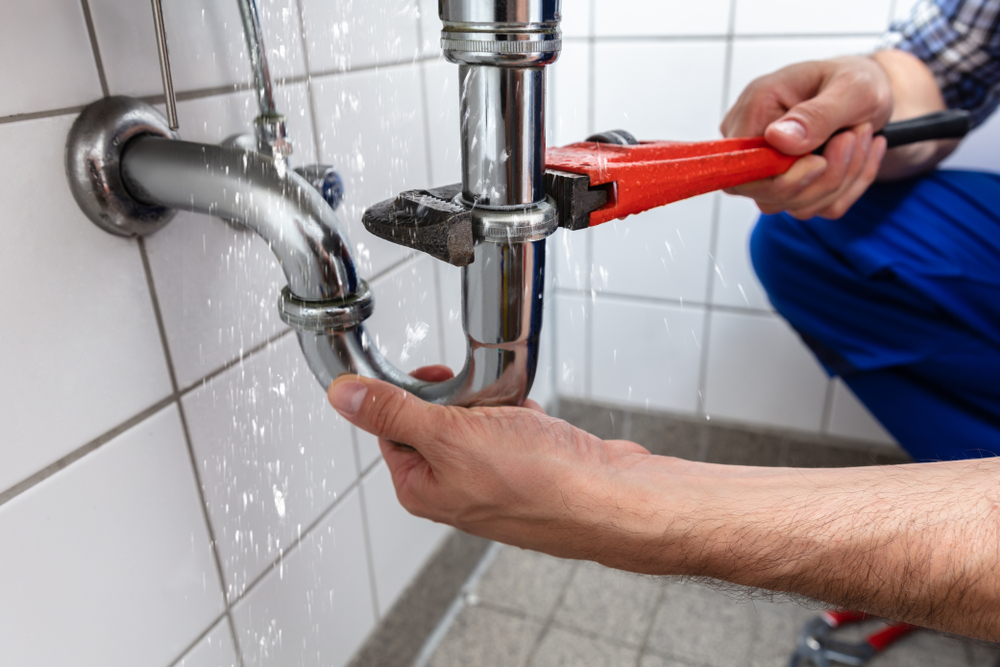
Frozen pipes are one of the most common and expensive causes of winter property damage. When water inside pipes freezes, it expands and places extreme pressure on plumbing systems. This can easily lead to burst pipes, resulting in extensive water damage, mold growth, and costly emergency repairs.
“Frozen pipes are a highly preventable source of winter water damage, yet they continue to cost property owners millions in repairs each year,” said Josh Miller, president of Rainbow Restoration. “Now is the time to safeguard exposed pipes before temperatures drop.”
Here are 5 quick tips to prevent frozen pipes:
1. Insulate Exposed Pipes: Wrap vulnerable pipes in unheated areas like basements, attics, garages, and crawlspaces with insulation sleeves or heat tape. Even foam pipe insulation can significantly reduce the risk of freezing.
2. Seal Cracks and Openings: Seal any gaps in exterior walls or foundations with caulk or weather-stripping to reduce cold air from entering and freezing pipes.
3. Let Faucets Drip: On especially cold nights, let cold water drip slowly from faucets served by exposed pipes. This keeps water moving and reduces the chance of freezing.
4. Prepare Outdoor and Vacant Properties: Before winter sets in, drain water from outdoor plumbing like irrigation systems and outdoor showers. For unoccupied properties, shut off the main water supply and open all faucets to drain remaining water from the pipes. If a property is vacant, keep thermostats set to at least 55° F to avoid freezing indoor temperatures that can impact exposed pipes.
5. Schedule a Professional Winter Inspection: A licensed restoration expert can assess your property’s vulnerabilities and make recommendations for added protection.
Rainbow Restoration emphasizes that if a pipe does freeze, property owners should act immediately. Getting professional help right away is essential to prevent water damage from spreading, especially into hidden areas like behind walls, ceilings, or under flooring, where moisture can cause extensive structural damage and mold growth.
ALSO READ: Is Your Facility Winter-Ready? Best Practices for Protecting Key Assets