
A factory security audit provides facilities managers with a structured way to assess how effectively a manufacturing site protects its people, equipment, materials, information, and operations. Rather than focusing solely on individual security devices, the process should examine how access controls, surveillance, physical barriers, procedures, employees, and connected systems interact.
A well-planned audit can help facilities managers identify vulnerabilities, establish improvement priorities, and create a clearer picture of the facility’s overall security posture. Here’s how to conduct a thorough factory security audit, from defining its scope to documenting findings and prioritizing corrective actions.
Define the Audit Scope
The first step is to establish what the audit will cover. A factory may include production floors, warehouses, loading docks, offices, utility areas, parking lots, maintenance rooms, and restricted production zones. Each area can have different security requirements.
Facilities managers should review existing security policies, access-control records, visitor procedures, emergency plans, incident reports, and security system documentation before beginning the physical inspection. The audit team should also identify critical assets and determine which areas require the strongest protection.
The scope should account for normal operations, shift changes, contractor access, deliveries, and periods of facility occupancy. Reviewing these different conditions can reveal vulnerabilities that may not be visible during a routine daytime walk-through.
Inspect Physical Security Controls
The physical inspection should examine how effectively the site controls movement into, around, and within the facility. Starting at the property perimeter and working inward allows facilities managers to document security conditions systematically.
Key areas to inspect include:
- Perimeter protection: Examine fences, gates, vehicle barriers, lighting, and other measures intended to control unauthorized entry.
- Entry points: Check employee entrances, emergency exits, loading docks, vehicle gates, and other access points.
- Access control: Review badges, keys, locks, credentials, visitor procedures, and access permissions. Confirm that permissions correspond with employees’ roles and work areas.
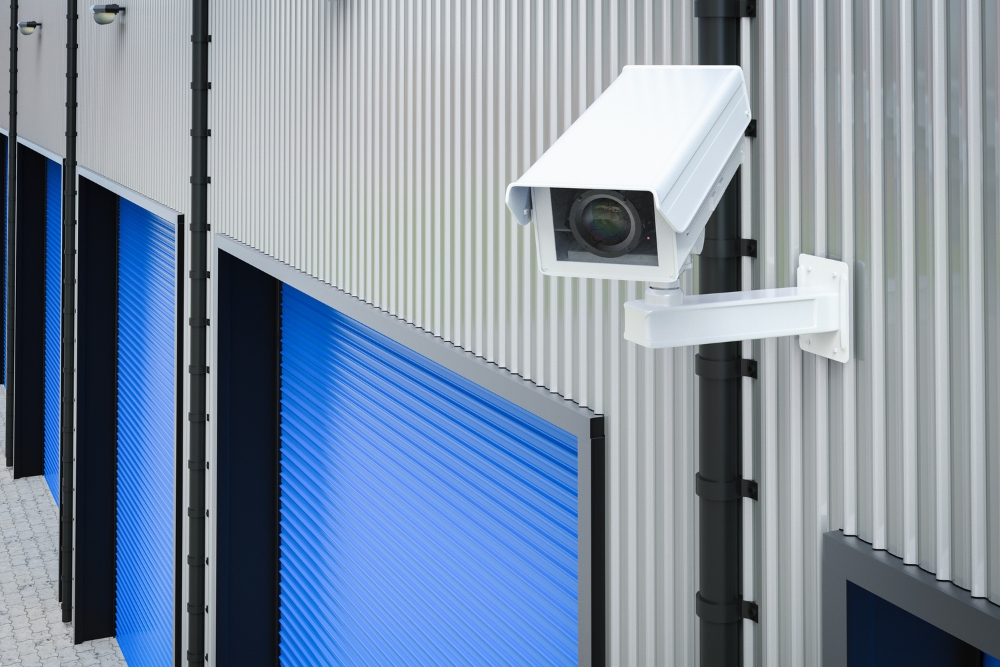
- Surveillance: Check camera placement, coverage, image quality, recording capabilities, and visibility at entrances, in restricted areas, and around critical assets.
- Lighting: Look for poorly lit walkways, parking areas, entrances, loading zones, and perimeters.
- Interior zones: Examine restricted rooms, production areas, storage spaces, maintenance areas, and locations containing sensitive equipment.
The Cybersecurity and Infrastructure Security Agency’s Security Assessment at First Entry (SAFE) provides a structured approach to reviewing a facility’s existing security measures, identifying vulnerabilities, and considering mitigation options.
Review Employees and Security Procedures
Security controls depend on employees, contractors, and visitors following established procedures. The audit should therefore evaluate how security practices work during daily operations.
Facilities managers can observe how employees enter the facility, how visitors are registered and escorted, and how contractors receive temporary access. The review should also determine whether former employees’ credentials are removed appropriately and whether there are clear procedures for reporting lost badges, keys, or other access devices.
Employee awareness is another consideration. Personnel should understand how to report suspicious activity, unauthorized access, lost credentials, or unusual behavior around restricted areas. Responsibilities should also be clearly assigned so employees know who responds to incidents and who has the authority to make access decisions.
Loading docks and receiving areas warrant particular attention because they connect the factory with external personnel, vehicles, and materials. Procedures should address delivery verification, visitor identification, restricted areas, and after-hours access.
Include Connected Systems in the Audit
As factories become more connected, a security audit should also consider the digital systems that support physical operations. Cyberattacks increasingly target manufacturing facilities, while smaller manufacturers may have fewer staff and resources available to manage cybersecurity. Security segmentation can provide a practical way to reduce these risks by grouping connected assets according to their communication and security requirements.
Facilities managers do not need to conduct technical penetration testing themselves. Instead, they can work with IT and OT teams to identify how connected systems affect facility security. The review should consider networked access control systems, surveillance equipment, building management systems, industrial equipment, remote access, and user permissions.
It should also assess whether users and connected systems receive only the access they currently need. Applying zero-trust principles means verifying access requests rather than automatically trusting users or systems, while limiting permissions to necessary resources can reduce opportunities for unauthorized access.
This approach can help facilities managers identify where a cybersecurity weakness could affect physical security or manufacturing operations. It also gives IT and facilities teams a shared basis for addressing vulnerabilities and strengthening the facility’s overall security strategy.
Document Findings and Prioritize Actions
After the inspection, facilities managers should organize findings by risk, location, affected assets, and recommended corrective actions. Photographs, inspection notes, system records, and interviews can provide supporting evidence. A structured audit can also reveal outdated systems, inefficient processes, underused resources, and security vulnerabilities that might otherwise go unnoticed.
Not every finding requires the same response. Facilities managers should assess each issue based on the criticality of the affected asset and the potential impact of a security incident. The National Institute of Standards and Technology recommends assessing assets according to their criticality and associated risk, with more critical assets and higher-risk security zones requiring greater protection.
High-priority issues should receive prompt attention when they could expose people, critical equipment, restricted areas, or essential operations to significant risk. Lower-priority findings can be incorporated into planned maintenance, upgrades, or future security projects.
Each corrective action should have an assigned owner and target completion date. Facilities managers can then track progress and verify that completed measures address the original finding.
Make Security Audits Part of Facilities Management
A factory security audit is most useful when it becomes a repeatable process rather than a one-time inspection. Facilities managers can use each audit to establish a baseline, measure improvements, and identify new risks as facility layouts, equipment, staffing, and technology change.
Documented findings and assigned corrective actions also give facilities, security, operations, and IT teams a common reference point. This helps turn security improvements into an ongoing part of facilities management.

Zac Amos covers smart homes, cybersecurity, and other trending tech topics and is the features editor at ReHack. For more of his work, follow him on X or LinkedIn.