
Editor’s note: FM Perspectives are industry op-eds. The views expressed are the authors’ and do not necessarily reflect those of Facilities Management Advisor.
Facilities managers are sitting on an untapped treasure trove: cleaning. By rethinking their cleaning practices, they could access higher returns on multiple fronts. Out of sight shouldn’t mean out of mind, and the microscopic molecules found in most cleaning products are wreaking havoc on people’s health and the planet.

Now is the time to turn cleaning into a strategic asset that strengthens operational outcomes by boosting occupant well-being and helping facilities managers get on top of their carbon footprints.
Realizing the Risks of Conventional Cleaning Products
Asthma, rhinitis, and rashes are just a few of the health problems we experience because of exposure to harmful volatile organic compounds (VOCs) in detergents, disinfectants, bleach, and more.
The irony is unmistakable: The very products we thought were protecting our bodies and buildings are also insidiously damaging our well-being. Commercial buildings in particular are proving a hazard zone on this front. Their stricter, more frequent cleaning schedules mean that facilities staff and occupants have higher exposure to the toxic fumes and particles.
Buildings have long been known to affect people’s health. Sick building syndrome (SBS), which was coined over 40 years ago by the World Health Organization, affects almost a third of buildings worldwide. Additionally, millions of office workers have been known to be affected by SBS.
VOCs are directly linked with SBS. They’re also closely connected to poor indoor air quality (IAQ), which has a correlation with office workers’ productivity.
The damage doesn’t stop at people’s immune systems. Harsh cleaning chemicals take a toll on the environment as well. Airborne and waterborne pollutants from chemical waste ruin natural habitats. This is a significant blind spot in facilities managers’ ESG strategies.
Rethinking Clean for Better Well-Being
Most people spend up to 90% of their time indoors. IAQ doesn’t just mean better ventilation, though. Facilities managers must clear up the fumes and toxins circulating inside, and that involves assessing cleaning protocols.
There’s an economic case for improving IAQ for building occupants: a whopping $11.7 trillion in global economic value could be generated from enhanced employee health and well-being.
Switching to safer, more environmentally friendly, fragrance-free products is a step in the right direction. Over time, as IAQ improves, keep a close eye on how many occupants take sick days. A successful cleaning revamp strategy should lead to a reduced number of sick days and improved staff well-being.
Facilities benefit as well. Traditional cleaning products are full of extremely harsh chemicals, such as acetone, ammonia, and bleach. These all burn through materials, meaning cleaning staff go through higher quantities of tools and equipment. Harsh chemicals can also wear down facility infrastructures, too, especially materials like flooring. It’s creating more work and stress for facilities management teams in the long run, and a rethink of the cleaning products used could help address that.
Moving Forward Also Means Looking Back
Auditing is a powerful means of ensuring continuous improvement. ROI and tangible outcomes mean careful measurement, which is also vital for operational and well-being outcomes. Facilities managers need to be able to quantify and prove their sustainability efforts, and here’s where a clear audit blueprint ensures that.
This doesn’t mean skimming the surface. Facilities managers must undertake a multi-dimensional assessment of the impact of their cleaning practices, which includes:
- Keeping a pulse on occupant comfort through periodic surveys.
- Tracking footfall and keeping an eye on quantifiable factors, such as the number of recorded sick days per quarter.
- Measuring IAQ scores by tracking PM2.5 and VOC levels.
- Recording asset performance, including the frequency of maintenance calls to fix equipment.
- Material waste reduction from cleaning products and equipment.
- Operational outcomes, including lower energy consumption.
These metrics should be benchmarked against KPIs that are assessed on a routine basis. Elements of wider sustainability strategy goals, such as carbon footprint reductions, could be embedded here to guide benchmarking around slashing energy consumption from ventilation systems.
Facilities managers must collect and record all relevant data, presenting it in reports that clearly indicate the outcomes and tangible results of new cleaning initiatives. These analyses can also be used to supplement reporting and tracking around sustainability and carbon emissions, which has an immensely valuable role from a financial perspective.
Rethinking cleaning protocols has subliminal links to ROI outcomes. By taking a holistic view to carefully explore and understand the impact of cleaning products on their buildings’ environment and occupants, facilities managers can tap into a wide range of strategic gains.
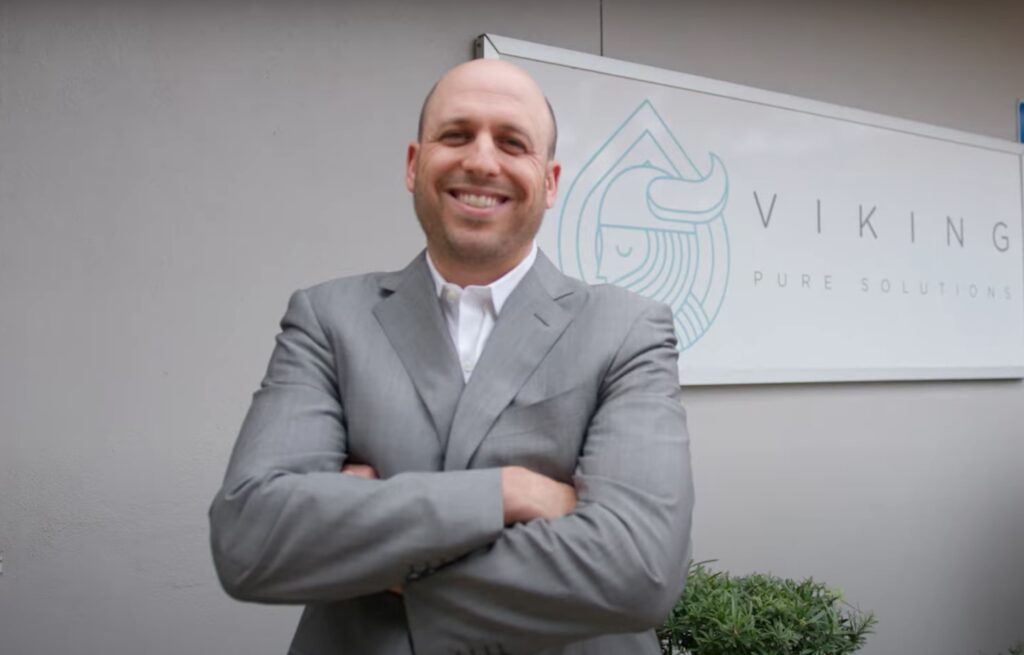
Joshua Schwartz is the president and co-founder of green cleaning product company Viking Pure Solutions. This article is for informational purposes only and should not be considered health advice.