
Behind every high-performing building lies an unsung hero: the central plant. These mechanical nerve centers—clusters of chillers, boilers, pumps, and cooling towers—quietly provide heating and cooling to hospitals, airports, campuses, and other complex facilities. When everything hums along, hardly anyone gives them a second thought. But when a pump fails or a chiller trips, the entire operation can feel the shock.
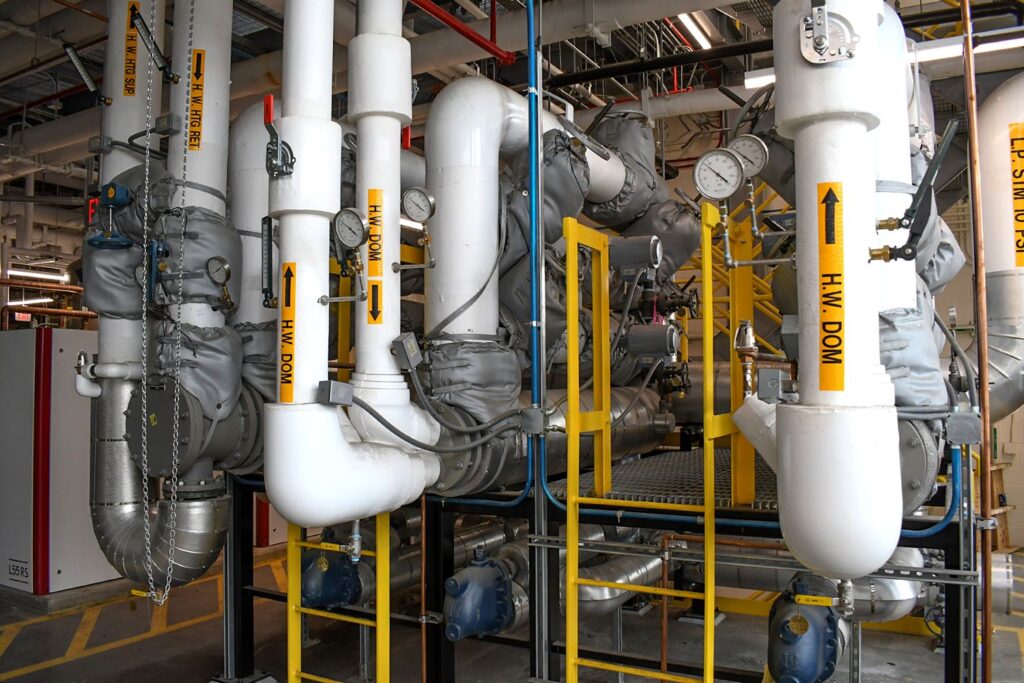
More often, the real danger isn’t dramatic failure but slow, invisible waste. A balancing valve left half-closed after a retrofit can force pumps to work harder for years. A chiller running manually at the wrong load point can bleed kilowatt-hours every hour of the day. Utility dollars vanish without anyone noticing.
The good news is that unlocking those hidden savings rarely requires expensive software or disruptive overhauls. It starts with sharper observation, targeted data gathering, and a willingness to challenge the idea that “good enough” is good enough.
Optimization Isn’t a Software Problem
Meaningful gains don’t necessarily require a sophisticated plant optimization platform. Big wins can come from simple tools and clear thinking.
A simple spreadsheet, for example, can unlock six-figure savings. By inputting plant data such as load profiles, chiller performance curves, and pump horsepower into a spreadsheet, a team can simulate different operating scenarios and utility rate structures. Adjusting start/stop times for a chilled-water storage tank, or modeling the impact of variable-speed chillers, can reveal savings opportunities without a single software license fee.
Moreover, when the model lives in a transparent spreadsheet, operators can see the calculations, adjust assumptions, and test “what if” scenarios themselves. This openness can build trust and accelerate decision-making, especially when capital dollars are tight.
Manual Oversights Have Big Consequences
Small errors or legacy settings can quietly erode performance for years.
In one case, involving a campus central plant serving more than 100 buildings, secondary chilled-water pumps—large horsepower units—were running at a constant speed, even when building demand was low. Worse, bypass valves allowed chilled water to flow through the system even at times when the buildings didn’t need it. All of this unnecessary pumping and over-cooling resulted in massive energy waste.
By inspecting valve positions, trend data, and setpoints, the team identified the root cause and implemented a variable-speed pumping strategy. This fix didn’t require any exotic technology—just a commitment to look closely, re-balance the system, and let automated sequences do their job.
Such oversights are common. Operators are often tempted to override automation because “that’s how we’ve always done it,” especially when under pressure to minimize complaints. Structured inspection protocols and staff training can help catch these drifts early and lock in long-term savings.
Every Plant Is a Puzzle
Applying a generic optimization sequence across different facilities can be a big mistake. Ideally, strategies should be tailored to each site’s specific conditions. No two central plants are alike. Variations in weather, building loads, utility rates, and age of equipment make each operating environment unique.
In one new plant that included chillers, boilers, a geothermal field, and a heat-recovery chiller, the question wasn’t simply which unit was most efficient, but also when each component should be run, and where heat should be rejected or reclaimed. By simulating hour-by-hour operations—deciding when to tap the geothermal field versus a cooling tower, or when to route heat from the modular chiller to a hot-water loop—the team uncovered an optimal sequence that a standard control template would have missed.
The puzzle-solving mindset pays dividends in facility optimization. Rather than chasing one-size-fits-all solutions, it’s better if engineers can design sequences that match real-world load profiles, equipment capabilities, and maintenance realities.
Energy Efficiency Supports Core Missions
Hospitals often view central-plant optimization as a “nice to have,” especially when grants or operating budgets cover utility costs. But efficiency delivers more than dollar savings. Improved controls reduce equipment stress, lowering the risk of unexpected outages that could compromise patient comfort or safety. Better humidity management reduces mold risk and protects indoor air quality—critical in healthcare settings where vulnerable patients depend on clean, stable environments.
One hospital client discovered that a simple change to the chilled-water setpoint did more than cut energy use—it also improved dehumidification, resulting in fewer complaints, lower maintenance costs, and a more reliable healing environment.
Patient care is the central mission of every hospital. When facility leaders can reframe optimization as patient care, rather than just cost cutting, they can gain powerful allies in clinical leadership and administration.
Red Tape Is Inevitable—Savings Make the Case
Capital projects can stall if executives can’t see a clear business case for them. Even when inefficiencies seem obvious, projects can still languish in committee if teams haven’t presented executives with the hard numbers.
The best way to quantify ROI is with real-time data and clear, granular modeling. Illustrate energy usage before and after proposed changes, utility rate impacts, and payback periods. If possible, build models using accessible tools, so that decision-makers can review assumptions and test sensitivities themselves.
In one project, real-time chiller data showed that the plant was operating far below manufacturer efficiency claims, enabling the team to project unusually high savings from a variable-speed retrofit. The evidence shortened the approval cycle and secured funding for improvements that quickly paid for themselves.
When leaders see that energy savings translate to budget relief for patient programs, capital improvements, or staff hiring, bureaucratic resistance softens.
Relatable ROI: Lessons from the Field
Whether it’s a military installation, an airport, or a healthcare campus, the pattern remains the same: a combination of careful observation, straightforward modeling, and tailored sequences yields rapid paybacks:
- A variable-speed chiller upgrade saved one campus hundreds of thousands of dollars annually while reducing pump wear.
- A hospital’s chilled-water storage tank, once underutilized, now shifts load to cheaper night rates, generating double-digit percentage savings without new equipment.
- A military base discovered it had been paying for irrigation water on buildings it didn’t even own—an error uncovered while reviewing plant utility bills.
These examples illustrate why central plant optimization is far more than a mechanical tune-up—it’s a practical pathway to measurable financial returns.
A Strategic Asset, Not an Afterthought
Central plant optimization powerfully unlocks hidden value by lowering operating costs, shrinking carbon footprints, and strengthening an organization’s core mission.
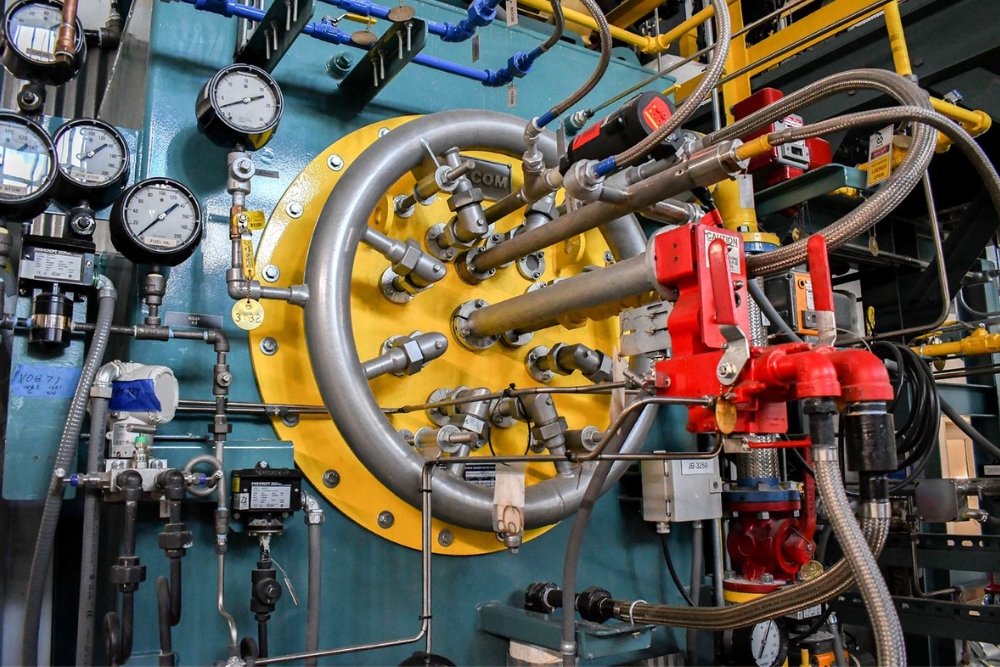
For leaders under pressure to do more with less, this is a rare win-win. By treating the central plant as a strategic asset and applying these five lessons—leveraging simple tools, catching manual oversights, tailoring solutions, connecting efficiency to mission, and presenting clear ROI—facility teams can transform an overlooked engine room into a driver of long-term resilience.
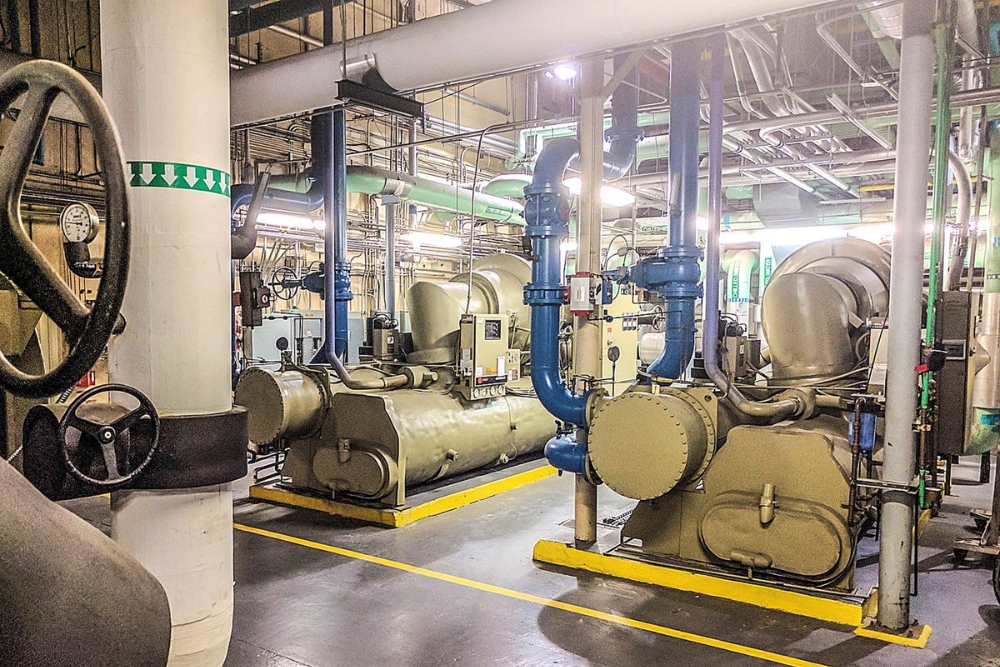
The next time you walk past the heavy doors marked “Central Plant,” remember: Behind them lies not just machinery, but one of the most powerful levers your organization has for saving money, reducing risk, and supporting the people you serve.
Kirk Glazer, PE, CEM, BEMP, is a principal and project engineer with TLC Engineering Solutions. He can be reached at kirk.glazer@tlc-eng.com.