
Enterprise tech implementations that tend to stick usually share the same story: an internal champion, a clear ownership structure, and a change management plan that exists in practice, not just on paper.
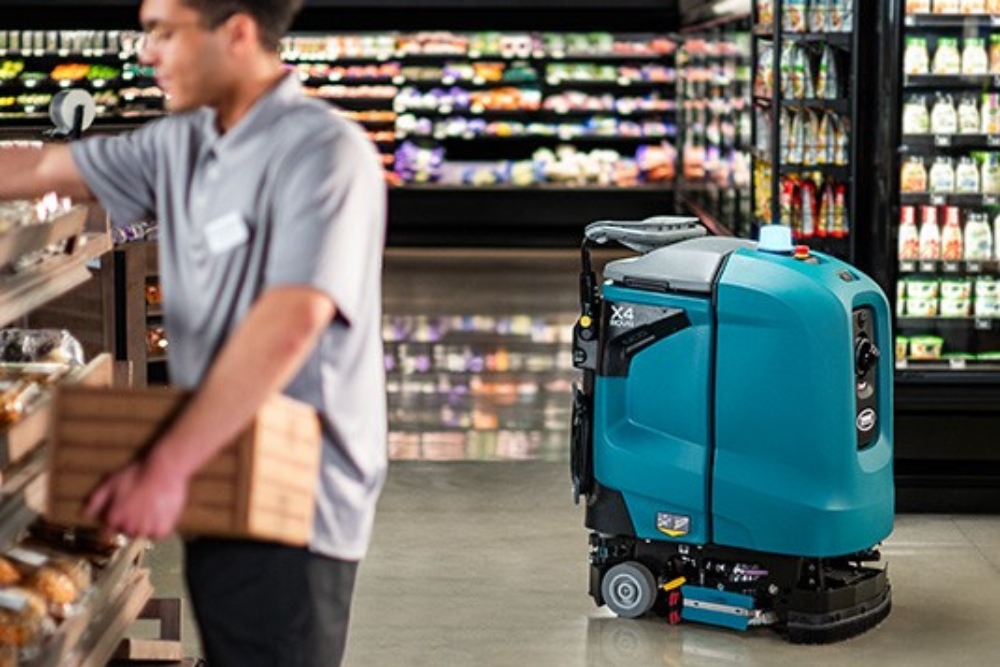
There’s a clear parallel to cleaning robotics. The underlying technology and engineering have matured to where the equipment is highly reliable. What determines whether a deployment earns its place in the operation or gets abandoned for reasons nobody can quite articulate is almost entirely organizational.
Understanding those organizational dynamics is one of the more reliable things a facilities manager can do to set a deployment up for success.
From Pilot Purgatory to Lasting Deployment
When pilots take time and organization to gain traction, the culprit is rarely technical. What tends to go wrong is organizational, and the pattern typically shows up in one of three ways—each of them avoidable with the right preparation.
1. Ownership
The deployments that work out of the gate share a common trait: someone is personally accountable for the equipment. One site, one machine, one person who treats it as their responsibility—that combination tends to produce results.
When organizations attempt to scale deployment, the accountability structure that made the pilot work in the first place often doesn’t scale with it. A senior stakeholder with enough organizational authority to drive adoption, visibility into how the deployment is performing, and clearly defined responsibility at the field level each become essential to establish early on. Without them, initiatives can lose momentum.
2. Continuity
Robotics initiatives tend to move at the speed of the champion behind them. When that person leaves—a new role, a reorganization, a change in organizational priorities—the initiative can lose its footing. A new leader brings a new agenda, and a program without institutional roots may struggle to outlast the change.
This is hardly unique to robotics, but it is especially consequential to cleaning robotics deployments because the change management required to make them work is ongoing, not a switch you flip once. Fostering institutional buy-in up and down the organization is the most reliable buffer against that kind of disruption.
3. Redefining “Hands-Free”
A robot that runs an immaculate route but hasn’t had its squeegee cleaned will streak water down every aisle it covers. The equipment requires a checklist, just like any other piece of facility machinery—and someone needs to own that routine internally. Building simple, consistent routines into a deployment plan from the start is one of the more straightforward ways to keep equipment performing as intended.
Where Cleaning Robotics Fit Alongside Staff
A major key to successful deployments is a clear-eyed picture of what robots are good at—and what still needs a person.
The most common misconception about cleaning robotics is that it is fundamentally about labor replacement. In many facilities, that framing simply doesn’t reflect reality because chronic understaffing means there is rarely a surplus workforce to replace. The more accurate and useful framing is that robotics allows cleaning teams to do more of what only they can do.
The division of labor that works in practice follows a few clear principles. Autonomous equipment excels at tasks defined by volume, repetition, and physical demand—large floor areas that need consistent coverage, scheduled routes that run whether or not staff are available, and the kind of sustained physical work that drives injuries, absenteeism, and fatigue over time.
High-touch surfaces, vertical cleaning, reactive response to spills, and anything requiring immediate attention or human judgment belong on the other side of that line.
What this division enables, in practice, is reprioritization. Think of a cleaning team arriving at an office facility at the start of a shift. Traditionally, floor care is the first task. It’s time-consuming, it has to be done before the building fills with people, and it crowds out everything else.
With autonomous equipment handling that work on a pre-set schedule, the team arrives to floors that are already clean or actively being cleaned and immediately can turn to the tasks that require human presence and judgment. The high-value, time-sensitive work that often gets deferred moves up the priority list.
This shift is already playing out across facility types. In warehouses and large distribution centers, where square footage is vast and labor is stretched, the goal is pairing maximum machine coverage with targeted human support—designing workflows around what each does best rather than asking people to do what machines can handle.
In schools and universities, where custodial teams manage everything from gymnasiums to cafeterias on tight budgets, robotics is absorbing the repetitive floor care load, freeing staff for the higher-touch work like restrooms and classrooms.
This reallocation of attention and effort is where much of the productivity gains from cleaning robotics lives.
More Than a Machine Purchase
One variable in the overall organizational equation that often gets underweighted is the partner behind the purchased equipment.
The consultation that happens before a deployment—mapping cleaning requirements, pressure-testing assumptions about schedules and protocols, identifying the right equipment mix for the environment, learning how to interpret performance data available with robotic cleaning machines—is where a significant portion of a deployment’s value is either captured or lost. A partner with robust deployment experience knows that what a facility thinks it needs and what it actually needs are often two different things.
The difference between a vendor relationship and a genuine partner relationship is perhaps most evident after the sale. The right partner brings willingness to adapt to the facility’s schedule, its protocols, its unique operational requirements, and the institutional infrastructure to support a deployment that evolves over time.
Organizations that have already invested seriously in automation tend to understand this instinctively: A reputable partner with deployment experience is not a nice-to-have, it is a prerequisite for getting the most out of the technology.
What This All Means in Practice
The facilities that get the most value from cleaning robotics treat deployment as an organizational decision rather than just a procurement one. That difference means establishing clear ownership before the first machine arrives, thinking seriously about what a better cleaning program would look like, and choosing a partner with the depth to support the deployment as it grows.
The technology is capable of more than most facilities ask of it—and the operators who arrive prepared, with clear ownership, and the right partner behind them, are the ones best positioned to capture that potential.

Seth Rourke is VP of robotics marketing and product growth at Tennant Co., where he leads product strategy and development for the company’s commercial cleaning portfolio. He brings more than 25 years of marketing and product leadership experience across premium consumer and commercial brands, including roles at Honeywell, Sleep Number, and Integrity Windows and Doors. He holds a BA in psychology from the University of Northern Iowa and an MBA from Colorado State University.